 Apparel Boxes
 Candle Boxes
 Bakery Boxes
 Cbd Boxes
 Medical Boxes
 Automotive Boxes
 Jewellery Boxes
 Cannabis Boxes
 Xmas Boxes
 Cosmetic Boxes
 Gift Boxes
 Hemp Boxes
 Vape Boxes
 Retail Boxes
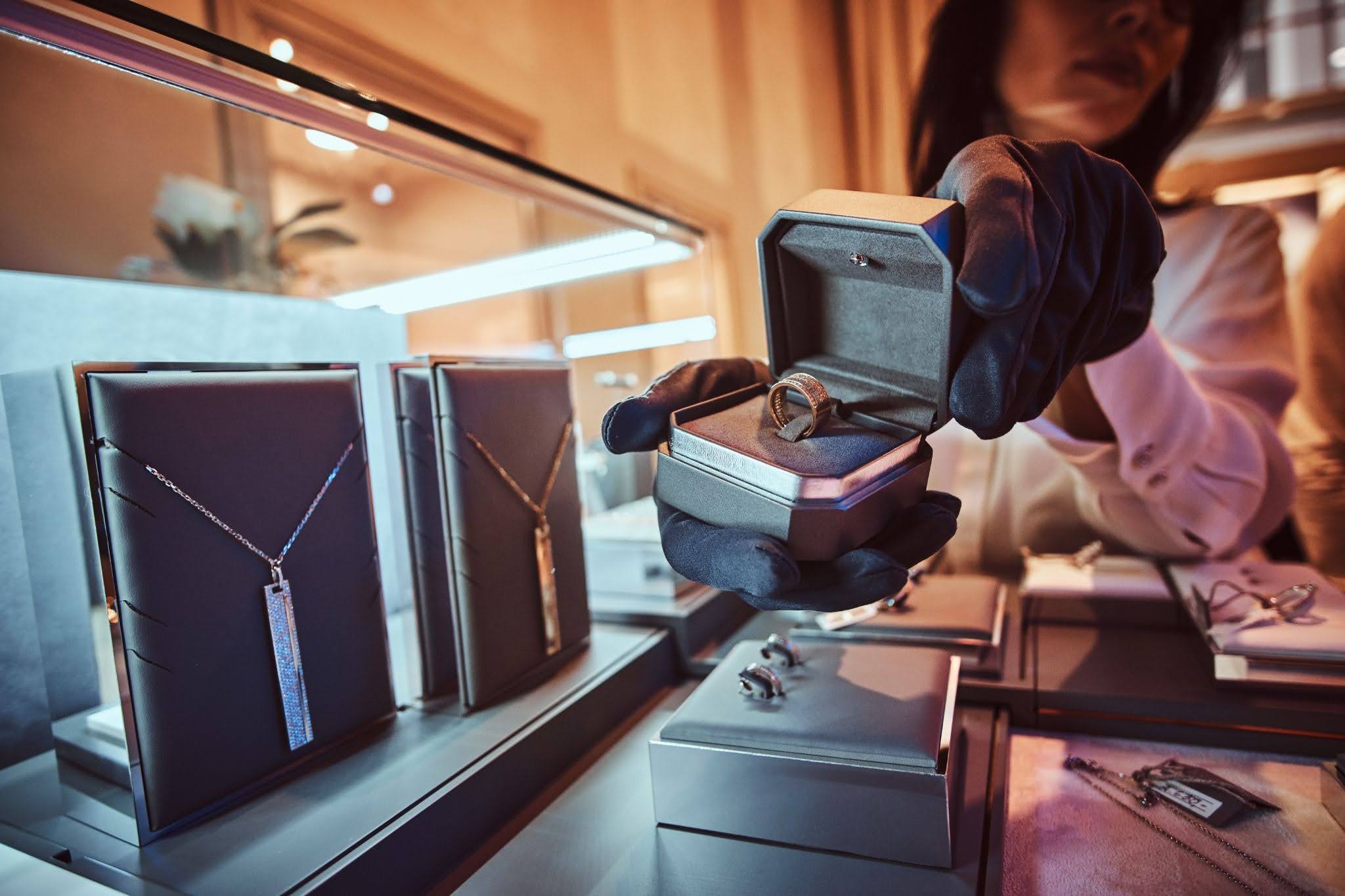
For jewellery brands, packaging is more than a protective layer around a product. It is often the first physical interaction a customer has with the brand after placing an order. Before they see the necklace, bracelet, ring or earrings inside, they see the box.
That first impression can influence how customers perceive the quality, value and attention to detail behind the jewellery.
For UK jewellery businesses competing across online stores, independent boutiques and retail environments, investing in thoughtfully designed custom jewellery boxes can help create a more memorable brand experience. The right combination of structure, materials, colours, printing and finishing can make packaging feel considered without making it unnecessarily complicated.
But what actually makes a jewellery box look premium?
The answer is not simply using expensive materials. Premium packaging comes from how different design elements work together.
What Makes Jewellery Packaging Feel Premium?
Luxury packaging is usually associated with clean design, high-quality materials and attention to detail. However, a premium appearance does not necessarily mean that every available finishing option needs to be used.
Effective jewellery packaging should reflect the identity of the brand while protecting the product and creating a positive opening experience.
Several elements contribute to this perception:
- A suitable box structure
- High-quality board or rigid construction
- Consistent brand colours
- Professional printing
- Carefully selected finishes
- Secure internal inserts
- Accurate sizing
- Clean typography
- Thoughtful presentation
The most successful designs balance appearance with functionality. A beautiful box that is difficult to open, too large for the jewellery or unable to protect delicate pieces will not provide the experience customers expect from a premium brand.
1. Start With Your Jewellery, Not the Box
One of the most important decisions is selecting a box structure that suits the jewellery being sold.
A ring requires a different internal presentation from a necklace. Earrings may need individual positioning, while bracelets may require a larger insert to prevent movement.
Before designing the exterior, consider:
- What type of jewellery will be packaged?
- What are the product dimensions?
- How delicate is the item?
- Does it need an insert or holder?
- Will the box be displayed in-store?
- Will it be shipped directly to customers?
- Does the packaging need to accommodate multiple products?
This approach helps avoid designing packaging around appearance alone.
For example, a premium necklace box should provide enough space for the chain to remain organised without allowing unnecessary movement. Similarly, a ring box should hold the ring securely while making the product immediately visible when opened.
The packaging structure should therefore be part of the product experience.
2. Choose Materials That Match Your Brand Positioning
Material selection can significantly influence how a box feels in the customer’s hands.
Rigid packaging is commonly associated with premium presentation because of its solid construction and substantial feel. Folding cartons and other paperboard structures can also achieve a sophisticated appearance when combined with appropriate printing and finishing.
The right choice depends on your product, budget, order quantity and desired presentation.
A growing jewellery brand may not need the same packaging construction as an established luxury retailer. What matters is choosing a material that communicates the intended positioning of the brand.
For UK businesses, material decisions should also consider practical requirements such as storage, transportation and end-of-life disposal.
Sustainability is becoming increasingly important across packaging decisions, but brands should avoid making environmental claims that they cannot substantiate. Packaging choices should be evaluated based on the actual materials and manufacturing process rather than relying solely on terms such as “eco-friendly.”
3. Use Colour Strategically
Colour is one of the quickest ways for a jewellery brand to establish recognition.
Your packaging should feel like an extension of your existing visual identity rather than a completely separate design.
For example, a minimalist jewellery brand may use neutral tones, restrained typography and a simple logo. A fashion-led jewellery business might choose stronger colours and more expressive graphics.
The objective is consistency.
Consider using the same or complementary colours across:
- Jewellery boxes
- Product cards
- Website
- Social media
- Shopping bags
- Thank-you cards
- Promotional materials
Consistent branding makes different customer touchpoints feel connected.
However, premium packaging does not require complicated artwork. In many cases, a simple logo positioned carefully on a well-designed box can create a stronger impression than an overcrowded design.
4. Make Your Logo a Design Feature
Your logo is often the most recognisable element on your packaging.
Instead of treating it as something that simply needs to be placed on the box, consider how it interacts with the overall design.
You can experiment with:
- Logo placement
- Logo size
- Typography
- Foil effects
- Embossing
- Debossing
- Printed finishes
- Contrast between the logo and box surface
For example, a subtle logo can create a sophisticated minimalist effect, while metallic foil can create a stronger luxury appearance.
The important point is consistency. Your logo should remain clear and recognisable without overpowering the rest of the packaging.
5. Select Finishes That Support the Design
Finishing techniques can change how customers perceive a package before they even open it.
Common options include foil stamping, embossing, debossing and specialised coatings.
Foil Stamping
Foil can create metallic highlights that work particularly well for jewellery branding. Gold, silver and other metallic effects can be used to emphasise a logo or selected design elements.
Embossing
Embossing raises part of the artwork from the surface. It can add a tactile element that customers can feel when handling the box.
Debossing
Debossing creates a recessed impression in the packaging material. It can provide a subtle, understated appearance for brands that prefer minimalist design.
Specialised Coatings
Gloss or matte finishes can change the visual and tactile character of the packaging. A matte surface can create a softer, understated appearance, while gloss can create more visual contrast.
The key is restraint. Combining every available finishing technique can make packaging look unnecessarily busy. Choose finishes that support your brand positioning.
6. Pay Attention to the Inside of the Box
Premium packaging should not stop at the exterior.
The moment the customer opens the box is arguably one of the most important parts of the experience.
The interior can include:
- Custom jewellery inserts
- Product holders
- Branded messages
- Printed interior surfaces
- Tissue or protective materials
- Thank-you cards
- Care instructions
An organised interior also improves product presentation.
When a customer opens the box and immediately sees the jewellery positioned correctly, the experience feels intentional.
This is particularly important for online jewellery businesses because packaging becomes part of the physical experience that follows a digital purchase.
7. Get the Box Size Right
Oversized packaging can make a small jewellery item feel lost inside the box. Undersized packaging can create unnecessary pressure on the product or make the presentation feel cramped.
The ideal dimensions should accommodate the jewellery securely while leaving enough room for appropriate internal components.
Getting the size right can also help businesses manage storage and shipping more efficiently.
This is one reason why custom packaging boxes UK suppliers can be useful for businesses with specific product dimensions. Instead of relying entirely on generic box sizes, brands can explore packaging designed around their products and presentation requirements.
8. Think About the Unboxing Journey
A premium packaging experience is not just about one box.
Think about what the customer sees from the moment the delivery arrives.
For an online jewellery business, the experience could progress through:
Shipping package → branded jewellery box → opening mechanism → jewellery insert → product → care card → thank-you message
Each stage creates an opportunity to reinforce the brand.
The design should therefore feel consistent throughout the journey.
Even small details can make a difference. A carefully positioned logo, neatly arranged insert or short personalised message can make the experience feel more considered.
9. Design for Both Retail and E-commerce
UK jewellery brands often operate across multiple channels.
A business may sell through its own website while also supplying independent retailers, marketplaces, pop-up shops or physical stores.
Packaging needs to work across these environments.
For retail, consider:
- Shelf presentation
- Brand recognition
- Product visibility
- Storage efficiency
- Durability
For e-commerce, consider:
- Product protection
- Internal movement
- Shipping dimensions
- Unboxing experience
- Customer presentation
A versatile packaging design can help maintain consistent branding regardless of where the customer purchases the jewellery.
10. Test Before Ordering in Large Quantities
One of the biggest mistakes brands can make is committing to a large packaging order before properly testing the design.
Before placing a bulk order, request or produce a prototype where possible.
Check:
- Does the jewellery fit securely?
- Does the box open smoothly?
- Does the insert hold the product correctly?
- Does the logo appear at the intended size?
- Do colours match the brand identity?
- Do the selected finishes look as expected?
- Does the packaging survive normal handling?
- Does the complete presentation look premium?
Testing allows you to identify problems before they affect a larger production run.
It also gives your team an opportunity to evaluate the packaging from a customer’s perspective.
Premium Does Not Have to Mean Complicated
One of the most useful principles for jewellery packaging is that premium design is often about precision rather than excess.
A well-proportioned box, carefully selected material, consistent branding and clean finishing can create a stronger impression than packaging overloaded with graphics and decorative elements.
Think about what you want customers to feel when they open the box.
Is your brand elegant? Modern? Minimalist? Traditional? Fashion-forward? Sustainable? Accessible luxury?
Your packaging should communicate that positioning immediately.
Build Custom Jewellery Packaging Around Your Brand
For UK jewellery businesses, packaging is an opportunity to turn a functional product into part of the overall brand experience.
The best custom jewellery boxes combine protection, presentation and brand identity. From selecting the right structure and materials to choosing colours, printing techniques and internal inserts, every detail can contribute to how customers perceive the product.
At Artsy Packaging, businesses can explore customised packaging solutions designed around their products, branding and presentation requirements. Whether you are launching a jewellery collection, refreshing your existing packaging or developing a more consistent retail experience, the right packaging design can help your products arrive looking as considered as they did when they left your studio.
If you are looking for jewellery packaging that reflects your brand rather than relying on a generic presentation, start by defining your product requirements, brand style and customer experience. From there, the right packaging structure and finishing choices become much easier to identify.
For UK businesses comparing custom packaging boxes UK options, the goal should not simply be to find the cheapest box. It should be to find packaging that provides the right balance of quality, protection, presentation, practicality and brand value.