 Apparel Boxes
 Candle Boxes
 Bakery Boxes
 Cbd Boxes
 Medical Boxes
 Automotive Boxes
 Jewellery Boxes
 Cannabis Boxes
 Xmas Boxes
 Cosmetic Boxes
 Gift Boxes
 Hemp Boxes
 Vape Boxes
 Retail Boxes
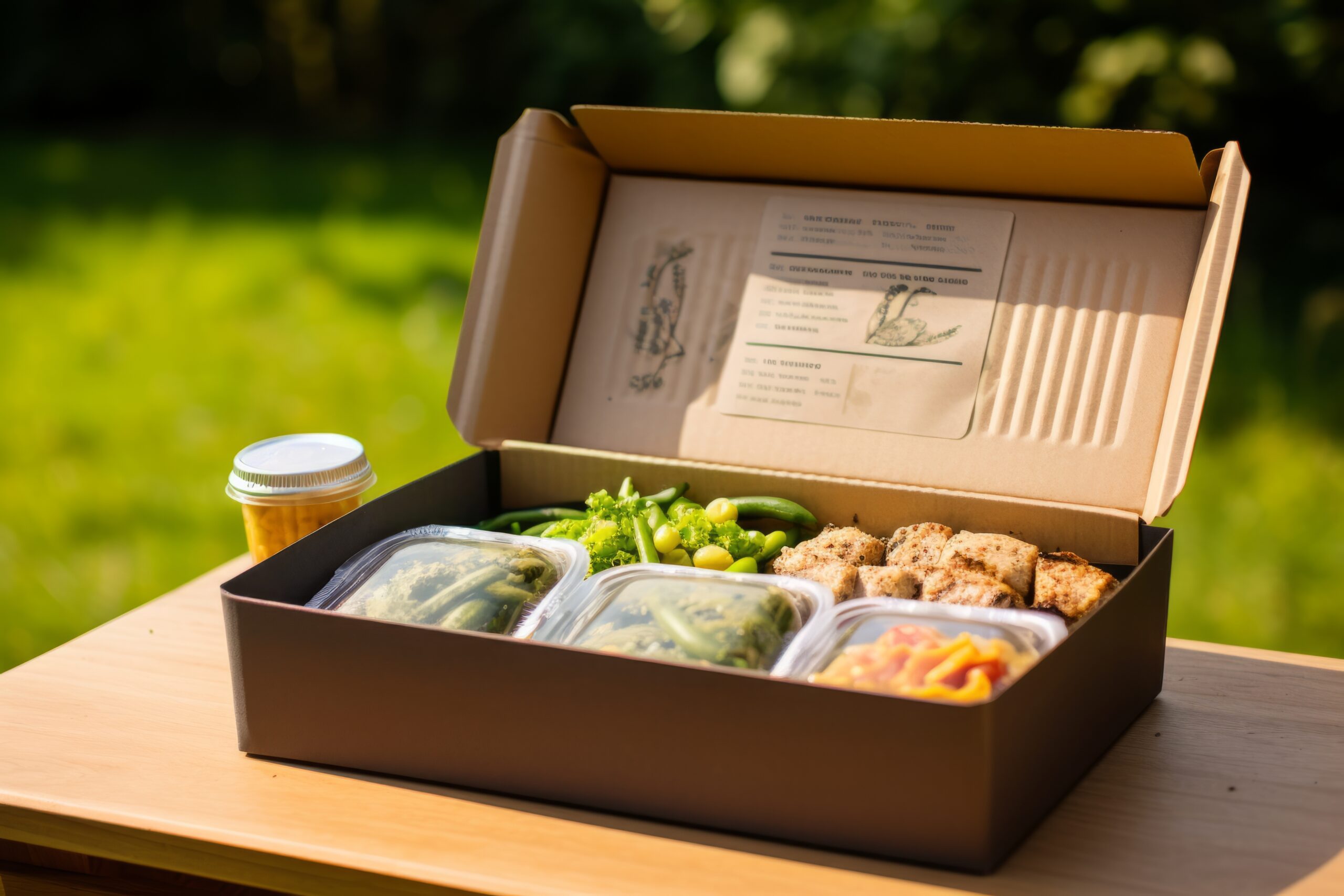
For food and beverage businesses, packaging is much more than a container. It protects the product, communicates important information, supports the customer experience and can become one of the most recognisable parts of a food brand.
Whether you operate a bakery, takeaway, restaurant, food subscription business, drinks brand or packaged food company, the packaging has to perform in real-world conditions. It may need to handle moisture, grease, temperature changes, stacking, transportation and repeated handling while still looking professional when it reaches the customer.
This is where thoughtful custom food boxes packaging becomes valuable. Instead of adapting a product to a generic box, businesses can develop packaging around the product, its distribution method and its brand requirements.
Why Packaging Design Matters for Food Brands
A food product can be excellent, but customers experience the packaging before they experience the product itself.
A poorly designed box can create practical problems. The product may move inside the packaging, the box may become damaged during delivery, the structure may be difficult for staff to assemble or the packaging may not communicate the brand effectively.
On the other hand, well-designed packaging can create a more consistent experience from production and fulfilment through to delivery and unboxing.
For food brands, packaging therefore sits at the intersection of product protection, food information, operational efficiency and brand presentation.
This is why packaging design for food brands should start with the product and customer journey rather than simply choosing a box style.
The Problems Caused by Generic Food Packaging
Many growing food businesses initially choose readily available packaging because it appears cheaper and easier. This can work for simple applications, but problems often become apparent as order volumes increase.
A standard box may be too large for the product, creating unnecessary empty space. A box that is too small can damage delicate food or make packing difficult. Takeaway products may require ventilation or resistance to grease and moisture, while products sent through courier networks may need stronger structures.
Brand presentation can also become inconsistent when different products use unrelated packaging styles.
These issues can increase packaging consumption, packing time, product damage and customer complaints.
The solution is not always more expensive packaging. It is better-matched packaging.
Custom Packaging Design for Food Products Starts With the Product
Effective custom packaging design for food products begins by understanding what the packaging actually needs to do.
A bakery sending delicate pastries has different requirements from a coffee brand shipping subscription orders. A takeaway restaurant has different considerations from a confectionery business selling premium gift boxes.
Important factors include product dimensions, weight, shape, fragility, temperature, moisture, grease, handling and delivery method.
For example, a product that is likely to experience movement during courier delivery may benefit from a more secure structure or internal fit. A takeaway product may need ventilation to manage steam. A premium food gift may require a more presentation-focused structure with a carefully considered opening experience.
Designing around these requirements helps avoid the common mistake of selecting packaging based purely on appearance.
Choosing the Right Material and Structure
Material selection is an important part of food packaging design.
Cardboard and paper-based packaging can provide versatile options for printed food boxes, while different board specifications and structures can be selected according to the intended application.
The box structure also matters. Folding cartons, tuck-end boxes, sleeves, trays, window boxes and other structures can create different combinations of protection, presentation and assembly efficiency.
The correct choice depends on the food product rather than a universal packaging formula.
A business should consider how the box will be stored, assembled, filled, transported and eventually handled by the customer. This practical approach can identify packaging problems before large-scale production.
Food Safety and Packaging Requirements in the UK
Food businesses need to consider more than visual design when selecting packaging.
GOV.UK guidance states that businesses packaging food must use packaging suitable for food use. Food-contact packaging may need appropriate evidence of compliance depending on the material and application.
Food labelling is also an important consideration. For prepacked food, mandatory information can include the name of the food, ingredients, allergens, net quantity, relevant date information and the responsible food business operator’s name and address. The exact requirements depend on the product and circumstances.
This means packaging artwork should not be treated as decoration alone. The available print area needs to accommodate the information the product legally requires while keeping it clear and readable.
For example, UK guidance specifies minimum text requirements for mandatory food information and requires such information to be clearly visible and legible.
A packaging supplier can help with dimensions, materials, printing and production, but the food business remains responsible for ensuring its product information and labelling meet the requirements applicable to its product.
Make Branding Part of the Packaging Strategy
Food packaging is also a brand touchpoint.
When customers receive a branded box, bag or carton, elements such as colour, typography, logo placement and visual hierarchy contribute to how they perceive the business.
For smaller food brands competing against established companies, consistent packaging can help create a more professional presentation.
However, effective branding does not mean covering every available surface with graphics. The strongest designs usually establish a clear visual hierarchy so customers can immediately recognise the brand and understand the product.
Custom printing can also help businesses create packaging that works across different products while maintaining a consistent brand identity.
Custom Food Boxes Can Improve the Customer Experience
The opening experience has become increasingly important for food and beverage brands, particularly those selling through e-commerce, gifting and subscription models.
A box that is difficult to open, poorly sized or damaged in transit can negatively affect the customer’s perception of the product.
Custom food boxes allow the structure to be considered around the customer journey.
The opening mechanism, product presentation, internal fit and printed messaging can all be planned together. For premium products, this can create a more considered experience. For everyday food deliveries, the priority may instead be quick assembly, secure closure and convenient handling.
The important point is that packaging should reflect how the product is actually purchased and consumed.
Packaging Design Should Consider Delivery Conditions
Food packaging often has to perform under demanding conditions.
Products may be stacked during storage, transported in vehicles, handled by delivery teams and moved through fulfilment facilities before reaching the customer.
Generic packaging can sometimes fail because it was selected without considering the complete distribution journey.
A food packaging design company should therefore consider the environment in which the packaging will be used. This includes the product’s weight, expected handling, stacking requirements and potential exposure to moisture, grease or temperature changes.
For products being delivered through couriers, structural strength and appropriate sizing become particularly important.
Designing for the delivery journey can reduce the risk of crushed boxes, product movement and avoidable packaging failures.
Sustainable Food Packaging Requires More Than a Green Design
Sustainability is another consideration for modern food brands, but it should be approached through materials and packaging efficiency rather than vague environmental claims.
Reducing unnecessary material, choosing an appropriate structure and avoiding excessive packaging can all contribute to a more efficient packaging solution.
The UK’s packaging guidance also places emphasis on appropriate packaging design and food-contact considerations. Businesses should assess the actual material and end-of-life characteristics of their packaging instead of assuming that every paper or cardboard solution has identical environmental credentials.
For brands communicating sustainability claims, accuracy matters. Packaging should be described according to its actual material properties and relevant evidence rather than using broad claims such as “100% eco-friendly”.
How Artsy Packaging Helps Food Brands Solve Packaging Challenges
At Artsy Packaging, we approach food packaging as a combination of structure, product protection, branding and practical usability.
Businesses can develop custom food packaging around their product dimensions, required presentation and packaging objectives rather than being restricted to a generic box.
Artsy can support businesses with custom sizes, shapes, printing and finishing options across different packaging requirements. The process can begin with the product itself: what needs to fit inside the box, how it will be handled, how it will reach the customer and how the brand wants it to look.
This approach is particularly useful when businesses are experiencing common packaging problems such as excessive empty space, inconsistent branding, difficult assembly or inadequate presentation.
Where appropriate, digital mock-ups and physical samples can also help businesses assess a proposed packaging solution before committing to larger production quantities.
For a growing food brand, this provides an opportunity to test the structure, artwork and overall presentation before scaling the packaging across its product range.
What to Consider Before Ordering Custom Food Boxes
Before requesting a quote, food businesses should have a clear understanding of the product and its packaging requirements.
Consider the product’s dimensions and weight, the expected distribution method, whether the packaging will have direct or indirect food contact, required product information, desired printing, box structure and expected order volume.
It is also worth considering how the packaging will be stored and assembled. A beautifully designed box is not an effective commercial solution if it takes too long for staff to assemble or occupies excessive warehouse space.
Sampling can be particularly valuable for new packaging. A physical prototype gives the business an opportunity to check the fit, opening experience, print appearance and practical usability before production.
Final Thoughts
Effective food packaging design combines protection, functionality, information and brand experience.
For food and beverage businesses, the right packaging can help address practical challenges such as product movement, moisture, grease, transportation, storage and packing efficiency while also giving the brand a consistent visual identity.
That is why custom food packaging solutions should be developed around the product and its real-world requirements rather than selected purely on appearance or price.
For UK food brands, it is equally important to consider applicable food-contact and labelling requirements from the beginning of the design process. Current UK guidance makes clear that food packaging must be suitable for its intended use and that mandatory food information must be presented clearly and accurately.
With the right combination of material, structure, artwork and production planning, custom food packaging can become more than a protective container. It can become a practical part of the product experience and a valuable extension of the brand.