Packaging Ideas by Product & Industry: The Complete Guide
· Blog

Packaging options vary by product, industry, business type, and selling channel, with different products requiring different materials and formats. Cosmetics and skincare may use amber glass bottles, airless pumps, folding cartons, and fitted gift boxes, while food and beverage products may use resealable pouches, glass jars, metal cans, and printed sleeves. Jewellery can use fitted ring and necklace boxes, fashion products can use garment boxes and mailers, and electronics can use die-cut inserts, moulded pulp trays, and anti-static or ESD-shielding bags. E-commerce, retail, takeaway, and small businesses can also choose formats that balance protection, presentation, handling, shipping, and cost.
Packaging can be made more distinctive through die-cut windows, hidden messages, custom packaging tape, personalised inserts, structural folds, QR codes, branded colours, typography, and specialised finishes. Sustainable packaging approaches include recyclable, reusable, compostable, biodegradable, and plantable options. The right choice depends on product requirements, required protection, material efficiency, and available end-of-life systems.
Choosing the right packaging also involves considering shelf life, shipping conditions, brand positioning, sustainability goals, budget, order quantity, printing, tooling, and finishes. Comparing materials and formats, reviewing costs and design choices, and checking the final specifications before production helps businesses turn suitable packaging ideas into practical and effective packaging solutions.
What Makes Good Product Packaging?
Good product packaging uses the right materials, dimensions, structure, protective features, closures, inserts, graphics, and finishes for the product. It fits the product securely, protects it during handling and transport, uses space and materials efficiently, makes opening and handling easy, and communicates the brand clearly. You can make good product packaging by following these things.
- Protection: Match the packaging structure and protective features to the product’s size, weight, fragility, and handling risks. Fitted inserts, cushioning, dividers, and moisture or contamination barriers prevent movement, breakage, crushing, and damage during storage and delivery while avoiding unnecessary material.
- Function: Use accurate dimensions, secure closures, practical inserts, and easy-opening features to make products easier to pack, store, transport, open, and use. Stackable formats and efficient internal dimensions also reduce wasted space during storage and shipping.
- Branding: Use consistent logos, colours, typography, imagery, and messaging to make the product recognisable and distinguish it from competitors. These elements should reflect the brand’s positioning, whether premium, natural, modern, minimalist, or practical.
- Visual appeal: Choose colours, graphics, shapes, textures, and finishes that suit the product and target audience. A well-matched combination can create an attractive appearance and strengthen perceived product value.
- Customer experience: Add practical features such as easy-open tabs, resealable closures, pull ribbons, printed interiors, personalised inserts, thank-you notes, or QR codes. These features can make packaging easier to open, handle, and use while providing useful information.
- Sustainability: Reduce unnecessary material through right-sizing and lightweighting, and choose recycled, recyclable, reusable, compostable, or responsibly sourced options where they provide the required protection and function. Consider whether the packaging can be collected, recycled, reused, or composted through available end-of-life systems.
How to Choose the Right Packaging for Your Product
To choose the right packaging for your product, assess its size, weight, fragility, shelf life, shipping requirements, brand positioning, sustainability needs, and budget. These factors help you select the right packaging materials, structure, dimensions, protective features, and design needed for the product.
Choose the right packaging for your product by following the steps below.
1 Check the product’s size and weight: Measure its dimensions and weight to determine the required package size, internal space, and material strength. The packaging should fit securely without excessive empty space.
2 Assess fragility and protection needs: dentify risks such as impact, compression, vibration, and crushing. Fragile products may need cushioning, inserts, dividers, or stronger structures.
3 Consider shelf life and barriers: Determine whether the product needs protection from moisture, oxygen, light, grease, odours, or temperature changes. This may require specific materials, coatings, films, or seals.
4 Consider shipping and handling: Assess how the packaging will be stored, stacked, transported, and delivered. Space-efficient dimensions and suitable structures can improve handling and shipping efficiency.
5 Match the design to your brand: Select materials, structures, graphics, colours, typography, and finishes that reflect your brand positioning. Options can range from practical and retail-focused to premium and minimalist.
6 Set sustainability criteria: Consider recycled content, material efficiency, reusability, recyclability, composability, and available recovery systems. Choose options that meet both product needs and end-of-life requirements.
7 Set the packaging budget: Consider material, quantity, printing, tooling, finishes, inserts, and shipping costs. Choose an option that balances performance, presentation, sustainability, and total cost.
Packaging Ideas by Products, Industries & Business Type
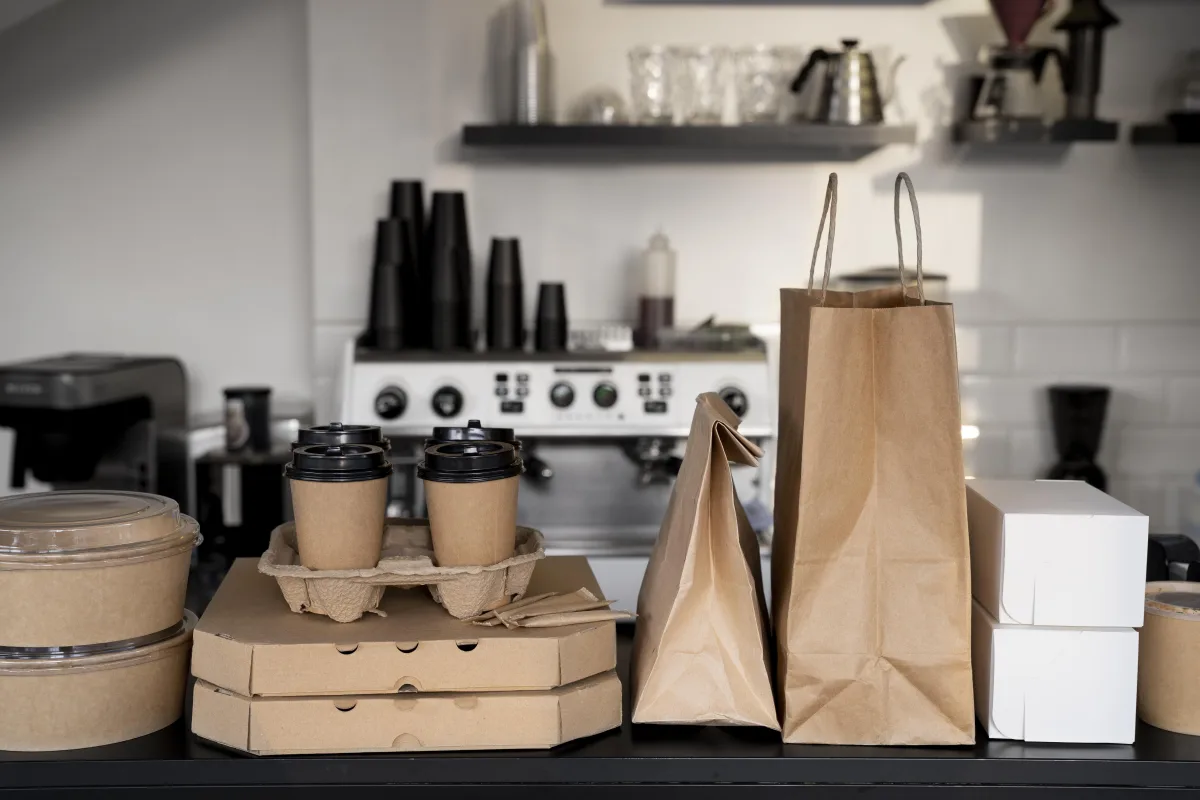
Packaging ideas vary by product, industry, and selling channel. For example, cosmetics may use amber glass bottles and folding cartons, while food products may use resealable pouches. Each packaging idea should meet the product’s protection, handling, storage, shipping, presentation, customer experience, and business requirements.
Packaging ideas for different products and industries are given below.
Cosmetics & Skincare
Light exposure, leakage, contamination, and dispensing requirements can influence packaging choices for cosmetics and skincare products. Amber glass dropper bottles protect light-sensitive serums and allow controlled dosing, while airless pumps limit air exposure and reduce product waste during usage. Folding cartons add an outer protective layer and carry product information. For gift sets or multiple-product ranges, rigid boxes with fitted inserts hold individual products in fixed positions during handling and delivery. Refill pouches for creams and liquids can reduce packaging material across repeat purchases.
Food & Beverage
Food and beverage packaging must manage exposure to moisture, oxygen, grease, light, and physical handling to maintain product quality and shelf life. Resealable stand-up pouches contain snacks after opening, while folding cartons with inner bags enclose dry foods and carry product information. Glass jars suit sauces and preserves. Metal cans withstand handling and form an airtight seal when properly seamed, making them suitable for shelf-stable products. Printed sleeves add product information and branding to jars and bottles, while tamper-evident seals signal whether a pack has been opened.
Coffee & Tea
Coffee and tea require strong barriers against oxygen, moisture, light, and external odours to preserve freshness and aroma. Flat-bottom coffee bags form a stable retail pack and can include one-way valves that release gases after roasting. Resealable pouches retain freshness after opening, while individual tea sachets inside folding cartons keep portions organised and protected. Kraft paper exteriors give packs a natural appearance, and printed labels communicate roast information, brewing guidance, origin, and brand messaging. Foil on laminated barrier pouches can add a premium finish but may complicate recycling depending on the pack structure and recycling system.
Jewellery & Accessories
Movement, scratching, and tangling are key packaging concerns for jewellery and accessories. Ring boxes with fitted inserts hold individual pieces in place, while necklace boxes with slots or cushions keep chains separated and reduce tangling. Magnetic rigid boxes form a structured presentation for watches and premium accessories, and ribbon pulls make them easier to open. Velvet-lined or fabric inserts cushion delicate surfaces and prevent contact with harder packaging components. FSC certification can indicate a responsibly sourced board. The selected board grade should also have sufficient strength for the box structure.
Clothing & Fashion
Garment packaging protects clothing from dirt and creasing throughout fulfilment, storage, and delivery. Printed mailer bags offer lightweight protection for online clothing orders, while rigid garment boxes give premium apparel a more structured presentation. Shoe boxes with paper inserts limit movement during transit. Dust bags protect handbags and footwear from dust, scuffing, and direct surface contact during storage. Printed tissue paper adds a branded layer around folded garments without changing the primary packaging structure.
Electronics & Fragile Products
Electronics and fragile products require protection from impact, vibration, compression, movement, and electrostatic discharge (ESD). Die-cut inserts hold mobile phones and accessories in fixed positions, reducing movement inside the box. Moulded pulp trays cushion laptops and larger devices during transit. Anti-static bags reduce static build-up around sensitive components, whereas ESD-shielding bags protect against electrostatic discharge during handling and transport. Separate accessory compartments keep cables and smaller components organised. Protective films prevent scratches on screens and polished surfaces, while pull tabs make fitted packaging easier to open.
E-commerce
Parcel delivery places particular emphasis on packaging size, weight, shipping space, product protection, and fulfilment efficiency. Corrugated mailer boxes suit many online orders, while shipping boxes accommodate heavier or more fragile products that need additional internal cushioning. Padded mailers protect lightweight items with lower space requirements. Right-sized packs with fitted inserts limit product movement, reduce unused space, and control excess packaging material. Easy-open features simplify unpacking, and branded packaging can reinforce the presentation of delivered orders.
Retail
Retail packaging must protect products and support clear shelf presentation, identification, and merchandising. Folding cartons and rigid boxes suit products that need structured shelf presentation, while paper bags support purchases at the point of sale. Hang tabs allow lightweight packs to be suspended on retail hooks. Display-ready cartons can move directly from transport to the shelf with minimal handling. Clear product information and consistent colours, typography, and graphics make products easier to identify and reinforce brand recognition.
Takeaway & Foodservice
Takeaway and foodservice packaging must contain food and beverages throughout preparation, transport, serving, and consumption. Paperboard food boxes, takeaway cartons, cups, trays, pouches, and corrugated food containers accommodate meals, drinks, sides, and delivery orders. Leak-resistant closures reduce spills during transport. Grease- and moisture-resistant formats prevent grease and moisture from soaking through the pack. Stackable packaging formats can improve storage, order preparation, and delivery efficiency for takeaway and foodservice operations.
Small Businesses
Small businesses focus on balancing product protection, brand presentation, order quantity, and costs when making packaging choices. Kraft mailers suit lightweight shipping, paper bags support retail orders, folding cartons add structured product presentation, corrugated boxes offer greater transit protection, and pouches provide flexible containment. Labels, stickers, and stamps add branding without the cost of fully customised packaging. Standard packaging formats can keep initial costs lower and give small businesses a consistent base that can scale as order volumes grow
Packaging Materials Comparison
Which packaging material should I use? The right packaging material depends on the product, protection requirements, presentation, printing needs, shipping conditions, and end-of-life options.
The comparison below shows how common packaging materials differ in durability, appearance, printing suitability, recyclability, shipping suitability, and cost. It helps businesses select the right material for their product, packaging format, and application.
| Packaging Material | Definition | Durability & Protection | Appearance & Branding | Printing Suitability | Recyclability / End of Life | Shipping Suitability | Cost |
|---|---|---|---|---|---|---|---|
| Paperboard | Lightweight, stiff paper-based board used for cartons, sleeves, and product boxes | Moderate; suitable for lightweight products and secondary protection | Smooth and versatile; supports retail presentation | Excellent; suitable for graphics, product information, and finishes | Generally recyclable where accepted; coatings and laminations can affect recovery. | Suitable for lightweight products and secondary packaging | Low to medium |
| Corrugated Cardboard | Fluted paper layer(s) between linerboards that provide structural strength | High; provides cushioning, stacking strength, and impact protection | Natural Kraft or printable outer surface; suitable for branded shipping boxes | Good to excellent; suitable for logos, graphics, and shipping information | Widely recyclable where accepted; contamination and coatings can affect recovery. | Excellent; well suited to shipping, e-commerce, and transport packaging | Low to medium |
| Kraft Paper | Strong paper made from wood pulp and used for bags, wrapping, and protective packaging | Moderate; suitable for lightweight packaging and wrapping | Natural brown or bleached appearance; supports simple, natural branding | Good; suitable for text, graphics, and basic branding | Generally recyclable where accepted; coatings and laminations can affect recovery. | Suitable for wrapping, bags, void fill, and lightweight packaging | Low |
| Glass | Rigid, non-porous material used for bottles, jars, and containers | High barrier and rigid protection, but heavy and susceptible to breakage | Clear, rigid, and premium; provides product visibility | Limited direct printing; labels and decoration are commonly used. | Widely recyclable where suitable collection systems exist | Suitable with protective secondary packaging to reduce breakage | Medium to high |
| Plastic & Polybags | Polymer-based packaging is available as rigid containers, flexible films, and bags. | High durability and impact resistance; moisture protection varies by polymer | Clear, coloured, or printed; supports product visibility and branding | Good; suitable for graphics, labels, and printed designs | Depends on polymer, format, additives, and available recycling systems | Suitable for lightweight products, protective wrapping, and flexible packaging | Low to medium |
| Sustainable & Biodegradable Packaging Materials | Fibre-based, recycled, compostable, or other materials selected for specific environmental and end-of-life requirements | Varies by material, structure, thickness, and moisture resistance | Natural or application-specific; branding suitability varies by material. | Varies by material and surface treatment | Depends on composition and available recycling, composting, or recovery systems | Depends on strength, moisture resistance, and shipping conditions | Low to high |
What Makes Packaging Creative?
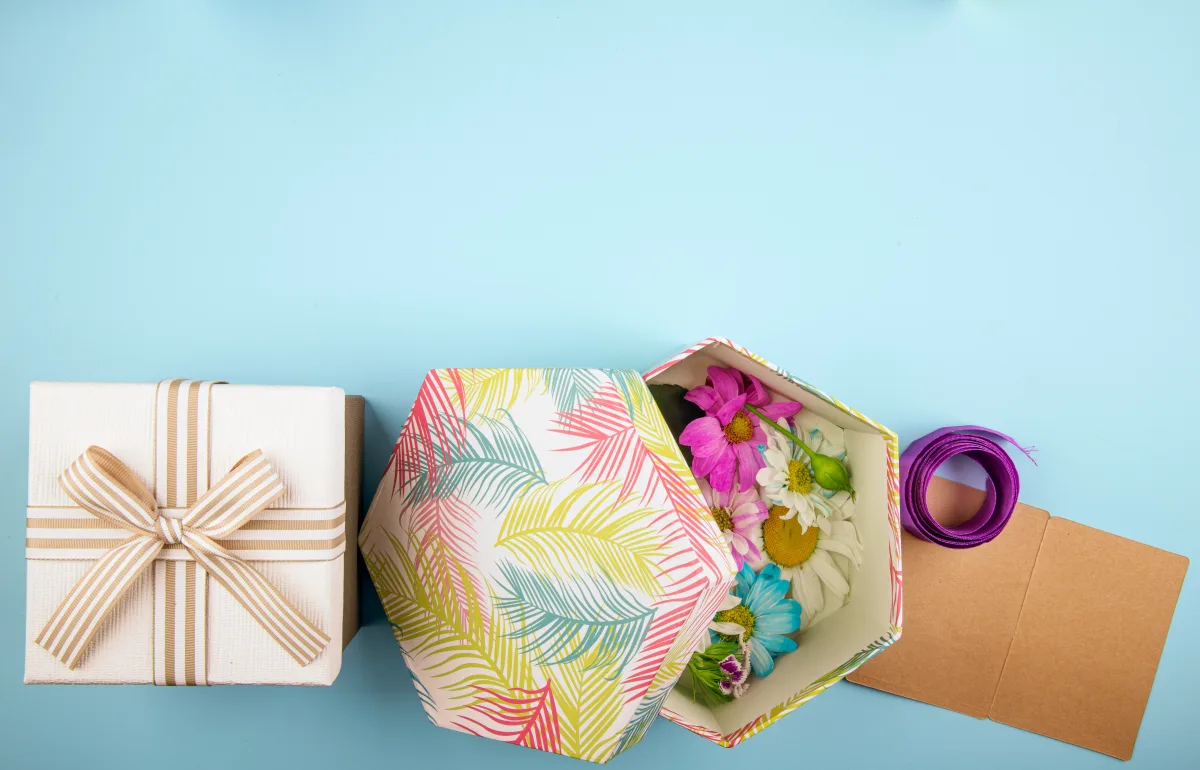
Packaging becomes creative by using distinctive design features, structures, or interactive elements to make packaging more memorable while maintaining product protection and practical use. These packaging designs offer practical ways to create your own packaging by combining functional packaging features with customised brand elements.
The ideas below show practical ways to make packaging more creative.
Die-Cut Windows
Die-cut windows create openings in the packaging that are shaped to reveal parts of the product inside. These packages are best for food, cosmetics, gifts, toys, and retail products where visibility enhances both presentation and product recognition. A transparent window adds visual appeal and allows customers to view the product before opening the package. Customisation options include the shape, size, and position of the window, as well as the printed graphics surrounding it.
Hidden Messages
Hidden messages are elements of text or graphics that are placed inside flaps, lids, folds, or other areas of a package, which customers discover when they open it. These messages are particularly effective for gifts, subscription boxes, cosmetics, fashion items, and e-commerce packaging, where the unboxing experience enhances customer interaction. These hidden messages add a personalised brand element while maintaining the packaging’s primary protective function. Customisation includes messages, illustrations, placement, typography, and personalised content.
Custom Packaging Tape
Custom packaging tape uses printed designs to enhance branding on boxes, mailers, and shipping packages. This type of tape is ideal for e-commerce, subscription boxes, retail orders, and standard shipping packaging, allowing businesses to showcase their branding without fully customising the entire package. The tape keeps branding visible during handling and delivery while securely sealing the package. Customisation options include logos, colours, patterns, taglines, and repeated graphic designs.
Personalised Inserts
Personalised inserts are custom cards, messages, instructions, or promotional materials included inside a package. They are especially beneficial for e-commerce businesses, subscription boxes, cosmetics, jewellery, fashion, and gift packaging, where providing additional product information or customer communication enhances the overall experience. Inserts offer a personal touch to the brand while delivering useful information without altering the main packaging design. Customisation options can include customer names, thank-you messages, care instructions, product details, discount codes, and promotional content.
Origami and Structural Folds
Origami-inspired designs and structural folds utilise folding patterns to create unique packaging shapes, compartments, openings, and display features. These designs are particularly well-suited for gifts, cosmetics, confectionery, retail products, and premium packaging, where the structure enhances the product's presentation. The folding structure adds visual appeal and functional attributes without depending solely on printed graphics. Customisation options include various folding patterns, locking tabs, compartments, opening mechanisms, and shapes tailored to specific products.
Multifunctional or Reversible Packaging
Multifunctional or reversible packaging makes packaging creative because it gives the package a second use or allows it to change after the product is removed. This approach works well for gifts, cosmetics, stationery, fashion items, and subscription boxes where packaging can become part of the product experience. A box can unfold into a display, include storage compartments, or use reversible surfaces to create a different presentation, giving customers a practical use beyond the initial opening. Customisation can include storage features, display elements, fold-out sections, reversible surfaces, and convertible structures designed around the product.
What Are the Different Sustainable Packaging Ideas?
The different sustainable packaging ideas include plantable, compostable, recyclable, reusable, and biodegradable packaging. Each type offers a unique approach to material usage, reuse, recycling, or disposal at the end of its life cycle. It is important to note that these properties are not interchangeable, so the right choice depends on the product, protection requirements, packaging format, and available end-of-life system.
The table below compares each sustainable packaging idea by its defining property and practical example.
| Sustainable Packaging Idea | What It Is | Example |
|---|---|---|
| Plantable Packaging | Packaging made with embedded seeds that can be planted after use when suitable growing conditions are available. | Seed paper tags, cards, sleeves, and packaging inserts. |
| Compostable Packaging | Packaging designed to break down into compost under specified composting conditions. | Compostable films, food-service packaging, and fibre-based packaging. |
| Recyclable Packaging | Packaging that can be collected, processed, and used to make new materials through suitable recycling systems. | Paperboard cartons, corrugated cardboard, glass containers, and recyclable plastic packaging. |
| Reusable Packaging | Packaging designed for repeated use before reaching the end of its useful life. | Reusable boxes, glass jars, fabric bags, and refillable containers. |
| Biodegradable Packaging | Packaging that can be broken down by microorganisms under suitable environmental conditions. | Certain fibre-based materials, natural-fibre packaging, and some biodegradable biopolymers. |
How Can Packaging Improve Unboxing and Branding?
Packaging can improve unboxing and branding by combining personalised details, useful information, and consistent visual elements to create a recognisable and engaging customer experience. The following packaging ideas show how businesses can use personalised packaging, custom boxes, branded packaging, and printed packaging to enhance presentation and strengthen brand recognition.
Personalised Packaging
Personalised packaging includes customer-specific or product-specific details on the package, such as names, messages, or customised artwork. It is particularly effective for e-commerce, subscription boxes, gifts, and direct-to-consumer products, where adding a personal touch can enhance the unboxing experience. Customisation options can feature customer names, personalised messages, product-specific graphics, and limited-edition designs.
Thank-You Notes
Thank-you notes deliver a direct message from the brand inside the package and offer an easy way to acknowledge the customer after their purchase. They are ideal for e-commerce businesses, gift packages, subscription boxes, and small businesses, where direct communication with customers enhances a personal unboxing experience. These notes can include expressions of gratitude, product care instructions, loyalty messages, or personalised comments.
QR Codes
QR codes bridge the gap between physical packaging and digital content by directing customers to webpages, product guides, tutorials, reviews, social media, and other online resources. They are particularly useful for product packaging in e-commerce, cosmetics, electronics, and retail items, where customers may want additional information after opening the package. Customisation options can include links specific to the product, instructional content, loyalty programme pages, feedback forms, and promotional offers.
Brand Colours and Typography
Consistent branding in colours and typography makes packaging easily recognisable by maintaining the same visual identity across boxes, labels, inserts, and other packaging components. This approach is ideal for retail packaging, e-commerce orders, subscription boxes, and branded product ranges, as a uniform presentation enhances brand recognition. Customisation options include brand colours, typefaces, logo placement, graphic elements, and text hierarchy.
Brand Copy and Messaging
Consistent brand copy and messaging maintain a recognisable tone and wording across all packaging, effectively communicating the brand throughout the customer experience. This approach is suitable for product boxes, mailers, inserts, labels, and other packaging where written communication enhances product presentation. Customisation includes taglines, product messages, opening instructions, brand statements, thank-you messages, and calls to action.
How Do Packaging Finishes and Printing Options Improve Packaging Design?
Packaging finishes and printing options improve packaging design by adding visual emphasis, tactile detail, surface protection, and accurate brand reproduction. Finishes like embossing, foiling, spot UV, and lamination enhance the appearance, texture, or surface of the package. Meanwhile, digital and offset printing dictate how artwork is reproduced based on various print volumes and design requirements.
The right combination depends on the packaging material, product, artwork, print volume, and desired appearance. The following options show how finishes and printing methods enhance packaging presentation, tactile experience, protection, and brand communication.
Embossing
Embossing raises selected text, logos, or graphics above the packaging surface, creating a tactile effect. It is particularly effective for luxury packaging, cosmetics, jewellery, gift boxes, and branded boxes where added texture enhances visual and tactile interest.
Foiling
Foiling adds metallic or reflective foil to selected areas of packaging, creating a distinctive branded effect. It is ideal for premium packaging, cosmetics, jewellery, gifts, and product boxes, where metallic details enhance logos, text, or decorative elements.
Spot UV
Spot UV is a process that applies a clear, glossy coating to specific areas of printed packaging, creating contrast with the surrounding surface. This technique is ideal for branded boxes, product packaging, cosmetics, and promotional materials where logos, patterns, or graphics need extra visual emphasis.
Lamination
Lamination applies a protective film to the packaging surface, offering a matte, gloss, or soft-touch finish. It is a suitable option for product boxes, folding cartons, retail packaging, and frequently handled items where surface protection and appearance are crucial.
Digital Printing
Digital printing directly applies artwork to packaging without the need for traditional printing plates. This method is ideal for short print runs, personalised packaging, variable designs, and frequent changes in artwork. It offers flexibility in box and packaging printing, making it beneficial for projects with lower setup costs.
Offset Printing
Offset printing utilises printing plates to create consistent and detailed graphics for large production runs. It is ideal for high-volume packaging, folding cartons, premium boxes, and branded packaging, where consistent colour and precise print reproduction are essential.
How Much Does Custom Packaging Cost?
Custom packaging costs depend on material, dimensions, order quantity, printing, tooling and die costs, and finishes. Premium materials, complex structures, extensive printing, and multiple finishes increase costs, while larger orders can reduce the unit cost by spreading setup and production costs across more units.
The following factors influence custom packaging costs.
- Material: Board grade, paper type, thickness, and structure affect cost. Standard kraft paper, paperboard, and corrugated board are generally more cost-effective, while rigid board, premium papers, and specialised materials can increase costs.
- Dimensions and Structural Complexity: Size and complexity affect material use, production steps, and assembly. Larger boxes use more material, while custom shapes, windows, magnetic closures, complex folds, and inserts can increase production and assembly costs.
- Order Quantity and MOQ: Quantity affects unit cost because setup and production costs are spread across the order. Smaller orders generally have a higher unit cost, while larger quantities can reduce the price per unit. Minimum order quantities (MOQs) vary by packaging company and production method.
- Printing: Printing costs depend on the method, colour coverage, and number of printed surfaces. Simple logo printing generally costs less than full-colour printing across multiple surfaces. Digital printing suits shorter runs, while offset printing can be more economical at higher volumes.
- Tooling and Die Costs: Tooling and die costs add upfront charges for specialised cutting, shaping, embossing, or other production tooling. Costs depend on the packaging structure and processes required.
- Finishes: Finishes increase costs because each option adds a production step. Common options include matte or gloss lamination, foiling, embossing, and spot UV, with costs depending on the type and extent of finishing used.
What Are the Common Packaging Design Mistakes to Avoid?
Common packaging design mistakes to avoid include ignoring product fit, exceeding the budget through unnecessary customisation, overlooking shipping requirements and dimensional weight, using inconsistent branding, and neglecting sustainability expectations. These mistakes can undermine product protection, raise packaging and shipping costs, diminish brand recognition, and cause excessive material use. The following mistakes affect packaging protection, cost, shipping, branding, and sustainability.
- Ignoring Product Fit: Packaging that is too large, too small, or poorly structured can allow product movement, reduce protection, and waste material. The packaging size, shape, structure, and inserts should match the product’s dimensions, weight, and protection requirements.
- Over-Customising Beyond the Budget: Complex structures, premium materials, specialised finishes, and custom components can increase packaging costs without providing enough practical or branding value to justify the additional expense. Customisation should match the packaging budget, product requirements, and customer experience.
- Ignoring Shipping and Dimensional Weight: Oversized packaging can increase shipping costs because carriers may calculate charges using dimensional weight as well as actual weight. Packaging should provide sufficient protection while using an appropriate size to minimise unnecessary shipping space.
- Using Inconsistent Branding: Different colours, typography, logos, imagery, or messaging across packaging can weaken brand recognition and create an inconsistent customer experience. Brand elements should remain consistent across boxes, labels, inserts, bags, and other packaging components.
- Ignoring Sustainability Expectations: Unnecessary materials, excessive packaging layers, and difficult-to-recover components can increase material use and restrict suitable end-of-life options. Packaging design should consider material efficiency, recyclability, reuse, and end-of-life options alongside product protection and performance.
Packaging Design Checklist: What Should You Check Before Production?
Check the product size and weight, material, structural format, branding, printing and finishes, sustainability, budget, and minimum order quantity (MOQ) before approving packaging for production. These checks help confirm that the final design fits the product, provides the required protection, meets presentation needs, and is feasible to produce within budget.
The checklist covers the key specifications for final packaging approval.
- Product Dimensions: Check the product’s length, width, height, and weight to ensure the packaging fits correctly and provides space for any required protective inserts.
- Material Selection: Choose a material that provides the required protection, durability, weight, appearance, and handling performance for the product.
- Structural Format: Select a suitable packaging format, such as a folding carton, corrugated box, mailer box, or rigid box, based on the product’s size, protection requirements, and intended use.
- Branding Elements: Check that logos, colours, typography, graphics, and product information are accurate and consistent with the brand identity.
- Printing and Finishes: Review the artwork, print quality, colour specifications, and selected finishes, such as lamination, foiling, embossing, or spot UV.
- Sustainability: Review material efficiency, recycled content where appropriate, and available reuse, recycling, or composting options.
- Budget and MOQ: Confirm the total budget, target unit cost, minimum order quantity (MOQ), setup charges, and other production costs.
- Sample and Approval: Review a physical sample or prototype to check the fit, protection, structure, print quality, and overall appearance before approving full production.
Frequently Asked Questions
What is product packaging?
Product packaging is the container, wrapper, or protective structure used to contain, protect, preserve, transport, present, and provide information about a product. It can include primary, secondary, and tertiary packaging for product containment, protection, grouping, storage, and distribution. Packaging also supports branding, handling, convenience, and product identification.
How can packaging improve the unboxing experience?
Packaging can improve the unboxing experience through secure protection, easy opening, layered presentation, personalised details, and consistent brand elements. Features such as inserts, printed interiors, thank-you notes, stickers, tissue paper, and tactile finishes create additional customer touchpoints while supporting product presentation and protection.
What is the difference between recyclable and compostable packaging?
The difference between recyclable and compostable packaging is that recyclable packaging is processed into new materials, while compostable packaging breaks down into compost under specified conditions. Recyclability depends on the material and available recycling infrastructure, while compostability depends on the composition and required composting conditions. They are different end-of-life pathways.
What packaging materials should I use?
You should use packaging materials that match the product’s protection, weight, fragility, presentation, shipping, handling, and end-of-life requirements. Paperboard, corrugated cardboard, glass, metal, plastic, Kraft paper, and moulded pulp provide different performance characteristics. Selection should balance protection, durability, appearance, cost, handling, and recovery options.
How much does custom packaging cost?
Custom packaging costs vary according to material, dimensions, structural complexity, order quantity, printing, tooling, and finishes. Larger quantities can reduce unit costs by spreading setup and production costs, while premium materials, complex structures, custom dies, and multiple finishes can increase costs. The final price depends on the specific design and production requirements.
What packaging works best for e-commerce?
Effective e-commerce packaging protects products during shipping while remaining appropriately sized, lightweight, and easy to handle. Corrugated boxes suit general, heavy, and fragile products, while mailer boxes, padded mailers, and book wraps suit lighter or smaller items. Right-sized packaging with suitable cushioning or void fill helps minimise movement and unnecessary shipping space.
How do I choose packaging based on my product's size and fragility?
You should choose packaging based on the product’s dimensions, weight, fragility, and required internal protection. Durable products may need lightweight boxes or mailers, while fragile products may require stronger corrugated structures, fitted inserts, dividers, cushioning, or double boxing. The packaging should minimise movement and provide sufficient protection without unnecessary material or shipping space.