PR & Influencer Packaging Strategy: The Complete Guide
By Artsy Packaging · · Blog
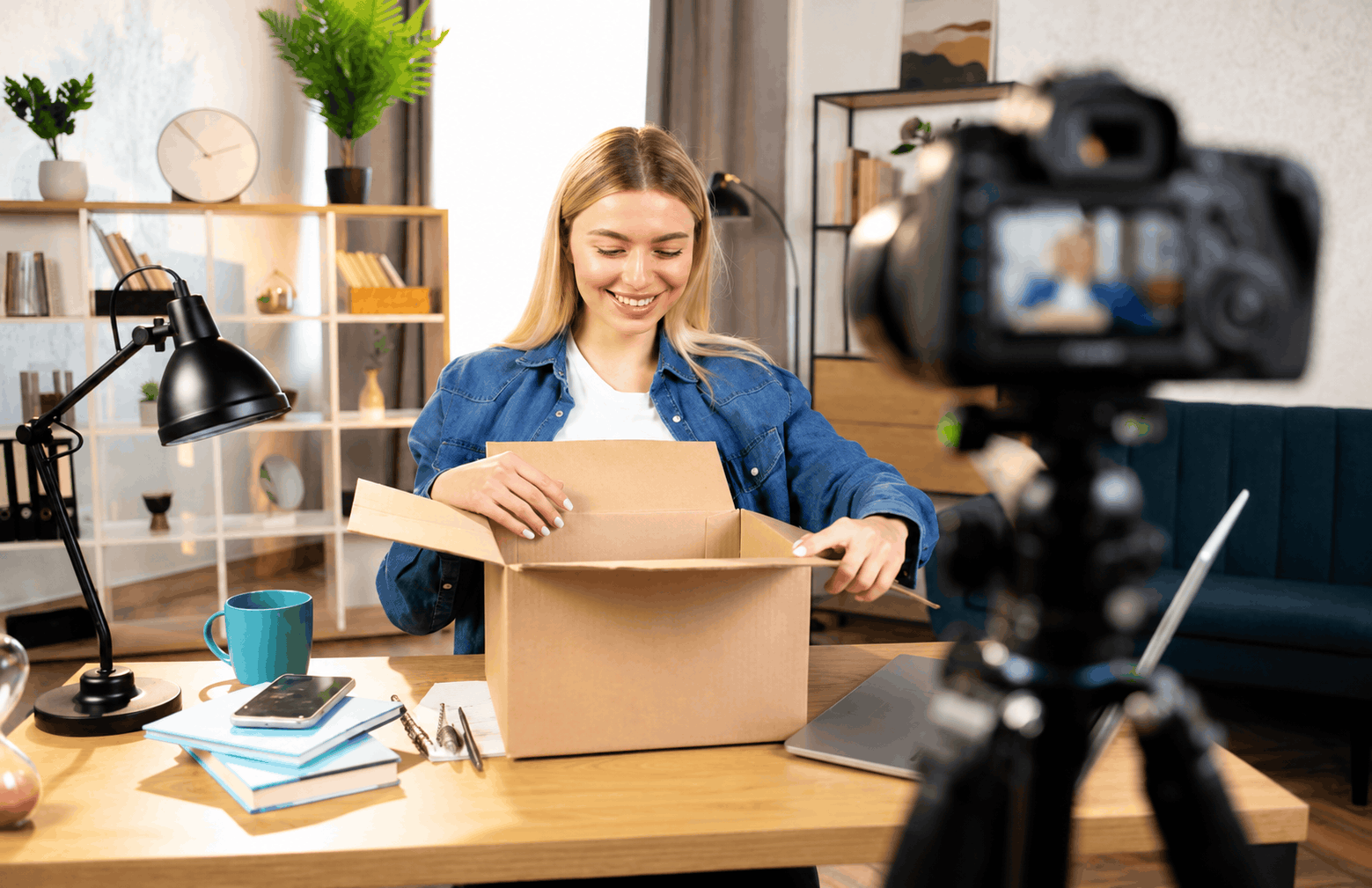
A PR and influencer strategy defines how a brand plans and coordinates campaigns to build relationships with journalists, media contacts, and influencers while supporting specific marketing objectives. PR packaging strategy focuses on media outreach and coverage, while influencer packaging strategy focuses on identifying and engaging creators whose niche, interests, audience, and content align with the campaign goals.
You can plan a PR & Influencer packaging strategy by defining campaign goals, selecting relevant influencers, and developing the packaging structure, materials, branding, and personalised elements around the campaign message. Your packaging contents and the unboxing experience should create an engaging presentation that supports the campaign objectives.
You can make your PR & influencer packaging strategy effective by combining campaign goals, recipients, products, packaging design, and messaging. To make it more effective, you can use camera-optimised details, personalisation, curated products, and a planned unboxing experience to encourage influencers to create and share engaging content.
PR and influencer packaging varies across different industries, as beauty and skincare focus on presentation, food and beverage on secure product protection, fashion and jewellery on premium presentation, and lifestyle and technology on stronger structures and protective inserts. Each industry selects PR and influencer packaging based on the recipient, target audience, campaign goals, budget, production timeline, fulfilment, and shipping requirements.
Measure the success of your PR & influencer strategy through influencer reach, impressions, engagement, brand mentions, user-generated content (UGC), referral traffic, conversions, and return on investment (ROI). These metrics show how effectively the packaging drives content creation, audience engagement, brand visibility, and measurable campaign results.
What Is a PR & Influencer Packaging Strategy?
A PR and influencer packaging strategy is a planned approach to creating and distributing branded product packages to media contacts and content creators to build brand awareness, generate coverage, and encourage social media content. The strategy transforms a standard product delivery into a visually engaging unboxing experience that communicates the brand story and creates opportunities for organic social media coverage.
PR packaging strategy focuses on clear product presentation, brand messaging, media-friendly details, and branded elements that support media coverage. Influencer packaging strategy focuses on camera-ready design, personalisation, curated products, and an engaging unboxing experience that supports social content creation, using custom structures, branded printing, personalised notes, inserts, QR codes, custom graphics, and campaign-specific messaging.
PR Box vs PR Package vs Influencer Gifting
PR boxes, PR packages, and influencer gifting are closely related, but each term describes a different part of the product-seeding and media outreach process.
A PR box is specially designed physical packaging used to present and deliver products to influencers, creators, journalists, or other media contacts, often emphasising branding and the unboxing experience.
PR packaging is custom, branded packaging created to present and deliver products to journalists, influencers, media contacts, and other key recipients to build brand awareness, support media coverage, and encourage shareable unboxing experiences.
Influencer gifting is the practice of sending free products to influencers or creators to introduce them to a brand and build relationships, without necessarily requiring them to publish content unless a separate agreement is in place.
The table below highlights the differences between a PR box, a PR package, and influencer gifting.
| Aspect | PR Box | PR Package | Influencer Gifting |
|---|---|---|---|
| What it refers to | The physical packaging or box. | The complete product package or shipment is sent to a selected recipient. | The practice of sending products as gifts. |
| Primary recipients | Influencers, creators, journalists, and media contacts. | Journalists, media contacts, influencers, and other selected recipients. | Mainly influencers and content creators. |
| Primary purpose | Create a memorable branded presentation and unboxing experience. | Introduce a product or campaign and generate awareness, coverage, or interest. | Introduce products to creators and build relationships that may lead to organic exposure. |
| Main focus | Packaging and presentation. | Product seeding, brand communication, and media outreach. | Creator relationships and product experience. |
| Product selection | The box can be designed around one or multiple products. | Products are selected according to the campaign, recipient, or media angle. | Products are usually selected based on the creator's niche, interests, or audience. |
| Packaging emphasis | Usually high, with custom structures, inserts, finishes, and branding. | Can range from simple branded packaging to highly customised presentation. | Packaging can be simple or highly customised depending on the gifting campaign. |
| Expected outcome | A strong first impression and memorable unboxing experience. | Product awareness, media interest, coverage, or brand exposure. | Product discovery, creator relationships, and potential organic content. |
What Makes Influencer Packaging Effective?
Influencer packaging becomes effective when it combines strong brand alignment, an engaging unboxing experience, personalisation, camera-ready design, product protection, and clear messaging to create a memorable experience that encourages engagement, sharing, and brand recall.
Core elements that make influencer packaging effective are outlined below.
Brand Alignment: Influencer packaging becomes more effective when its colours, typography, imagery, materials, and overall visual identity consistently reflect the brand. This consistency makes the brand easier to recognise in photos, videos, and social content, helping recipients and their audiences connect the package with the brand.
Unboxing Narrative: Unboxing is the process of opening and exploring a package that gives the recipient a complete experience of discovering the packaging, presentation, and product. Layered reveals, custom inserts, and carefully arranged contents build anticipation and give creators more opportunities to capture engaging content.
Personalisation: Personalisation is the practice of tailoring packaging and its contents to make the experience more relevant to an individual recipient. A brand can create personalisation by adding the recipient’s name, handwritten notes, tailored product selections, customised inserts, or packaging details that reflect their interests, niche, or audience. These details can make the package feel more thoughtful and memorable while strengthening the recipient’s connection with the brand and encouraging organic sharing.
Camera-Readiness: Camera-ready packaging looks clear and appealing in photographs and videos. Clean layouts, suitable finishes, readable branding, and details that work under different lighting conditions make the package easier to feature in short-form content and unboxing videos.
Product Protection: Structural packaging protects the products while maintaining an organised and visually appealing presentation throughout the influencer unboxing experience. Custom inserts, dividers, and cushioning can keep products securely positioned during delivery while creating a neat, camera-ready arrangement that makes each product easy to reveal and feature in photos or videos.
Clear Messaging: Clear messaging helps recipients quickly understand the brand, product, and purpose of the package. Concise product information, brand messages, personalised notes, and supporting materials give creators useful context for understanding and potentially featuring the product.
How to Build a PR Packaging Strategy?
Build a PR packaging strategy by defining campaign goals, selecting relevant recipients, developing the packaging concept and design, planning the unboxing experience, curating products and personalised content, managing production and fulfilment, and measuring campaign performance. This connected process keeps each stage aligned with the campaign objective while balancing product protection, presentation, budget, logistics, and delivery timelines.
To build a PR packaging strategy, follow the steps given below.
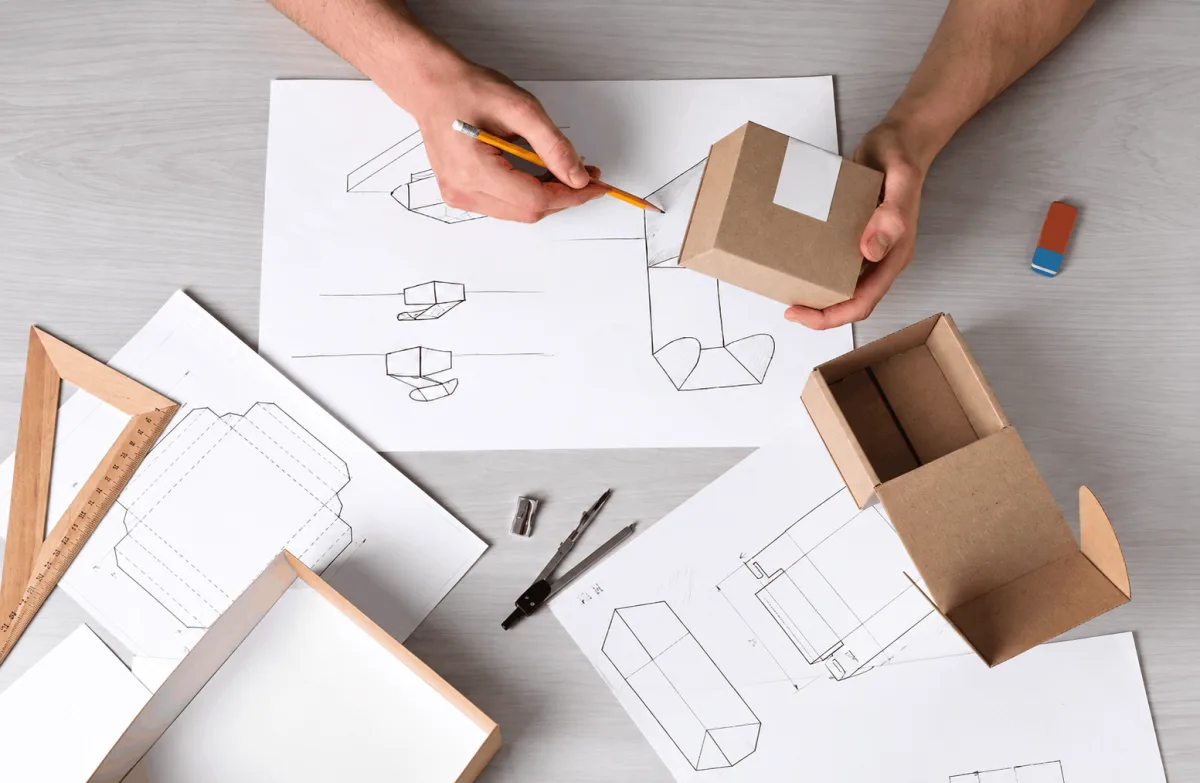
Define Campaign Objective
Define what the PR campaign needs to achieve, such as increasing brand awareness, supporting a product launch, generating influencer content, or building creator relationships. Set the campaign message, outcomes, budget, timeline, and content expectations before developing the packaging. Clearly defined campaign goals help you select relevant recipients and make packaging decisions that support the intended outcomes.
Identify Target Audience & Influencers
Identify recipients based on their relevance to the brand, campaign, and target audience. Consider influencer content, audience demographics, engagement, communication style, product suitability, and potential content formats. Avoid selecting recipients based solely on follower count. Prioritise relevance and audience alignment so the PR package reaches people who can communicate the product naturally to an appropriate audience.
Choose Packaging Format
Choose the box style, structure, materials, dimensions, and closure according to the PR package and its contents. Consider product size, weight, fragility, protection, shipping conditions, brand identity, presentation, and budget. Select a format that supports the intended unboxing experience while remaining practical for production, assembly, storage, and shipping.
Design the Unboxing Experience
Plan how recipients open, discover, and interact with the PR package from the first opening moment to the product reveal. Consider product placement, inserts, compartments, tissue, stickers, printed messages, and other branded elements. Create a logical reveal that keeps the product secure and makes key moments photo- or video-ready. Avoid unnecessary layers or poorly positioned elements that make the package difficult to open or obscure the product.
Personalise the Package
Make the PR package relevant to each recipient by tailoring the products, messaging, and presentation to their interests while maintaining a consistent brand identity and campaign message. Use personalised notes, recipient names, product selections, campaign references, or custom inserts to make the experience more relevant. Keep personalisation purposeful and aligned with the recipient’s content rather than adding generic details that feel disconnected from the campaign.
Produce & Fulfil
Manufacture, assemble, pack, and deliver the approved PR packaging according to the campaign schedule. Plan prototyping, printing, finishing, assembly, quality checks, quantities, lead times, storage, and shipping requirements. Start production early enough to accommodate approvals, manufacturing, assembly, and delivery without affecting the campaign launch.
Measure Campaign Performance
Measure the PR packaging strategy against its original campaign objectives. Track relevant outcomes such as content creation, engagement, reach, shares, mentions, website traffic, promotional code use, and other campaign-specific results. Compare performance with the original objectives rather than judging success only by the number of packages delivered.
What Are the Key Elements of PR Box Design?
The key elements of PR box design are brand consistency, creativity, functionality, personalisation, and sustainability. Each element shapes how the package represents the brand, attracts attention, protects the product, engages the recipient, and supports responsible packaging.
Brand consistency keeps the PR box aligned with the brand's colours, logo, typography, imagery, and overall visual identity. Creativity uses distinctive structures, shapes, graphics, finishes, and opening features to make the PR box visually appealing and memorable. The functionality of the PR box design ensures the box protects its contents during shipping while providing secure product placement and an easy opening experience.
Personalisation adds recipient-specific details such as names, personalised notes, tailored products, and campaign messages to make the package more relevant. Sustainability in PR box design focuses on responsible material and packaging choices, such as recycled or recyclable materials, right-sized structures, and reduced excess packaging.
The key elements of PR box design are outlined below.
Brand Consistency
Brand consistency in PR box design applies the brand’s colours, typography, logo, imagery, and visual messaging across the exterior box, interior, tissue, and inserts. Consistent branding reinforces brand recognition and connects the PR package with the wider brand identity.
Creativity
Creativity uses unique box shapes, layered reveals, mirrored surfaces, compartments, and opening features to create anticipation during unboxing. Creative structures can make the PR box distinctive while providing a more engaging presentation of the products.
Functionality
Functionality in PR box design focuses on protecting the products while maintaining an attractive presentation. Suitable box structures, materials, dimensions, closures, and inserts keep products secure during shipping and make the package easy to open and explore.
Personalisation
Personalisation in PR box design adds recipient-specific details such as names, personalised notes, tailored products, custom messages, and recipient-specific inserts. These details make the package more relevant to each recipient and strengthen the connection with the brand.
Sustainability
Sustainability in PR box design focuses on using recyclable, recycled, reusable, or responsibly sourced materials while reducing unnecessary packaging. Right-sized structures and multi-use designs can reduce material use and give the PR package continued value after the initial unboxing.
What Are the Best PR Packaging Strategies for Different Products and Industries?
The best PR packaging strategies vary by product type, with each category requiring a balance of protection, presentation, structure, materials, and branding. You can create an effective PR packaging strategy by focusing on product discovery and launch awareness for beauty and skincare, tasting experiences and product storytelling for food and beverage, brand aesthetics and personalisation for fashion and jewellery, and product demonstrations and audience engagement for lifestyle and technology. Each strategy uses product curation, recipient relevance, campaign messaging, and a planned unboxing experience to create content opportunities for influencers and media contacts.
The packaging approach should support the specific strategy through suitable product combinations, personalised communication, structured product reveals, protective inserts, branded packaging, and interactive elements. These choices help translate the campaign message into a relevant physical experience while encouraging recipients to explore, photograph, demonstrate, and share the products.
The best PR packaging strategies for different product categories are outlined below.
Beauty & Skincare
A beauty and skincare PR packaging strategy should focus on product curation, premium presentation, product protection, and brand communication. Group products around a launch, skincare routine, collection, or campaign theme to create a clear and cohesive package. Select the packaging structure according to the number, size, weight, and fragility of the products, using rigid boxes for premium launches and compact mailer boxes for lightweight product deliveries.
Use custom-fit inserts, layered presentation, and compartmentalised structures to organise palettes, bottles, jars, and other beauty products while keeping them secure during delivery. Branded colours, personalised cards, printed interiors, product information, and campaign messaging can reinforce the campaign identity, while QR codes or digital links can connect the physical package with additional product or campaign content. These packaging choices create a structured and visually engaging unboxing experience that supports product discovery and shareable influencer content.
Food & Beverage
A food and beverage PR packaging strategy should balance product protection, secure presentation, product grouping, and brand communication. Select the packaging format according to the product type, quantity, size, weight, and fragility. Custom mailer boxes, gift boxes, and compartmentalised presentation boxes can accommodate individual products, bottles, jars, packets, or mixed selections, while internal dividers and fitted inserts keep multiple items organised and reduce movement during delivery.
You should use the packaging structure to create a clear presentation around the campaign or product theme. A beverage launch can use a rigid box with individual bottle compartments, while a food campaign can group complementary products into a themed tasting or recipe selection. Branded interiors, printed tissue, personalised messages, and suitable food-contact materials can reinforce the campaign identity while supporting a secure and organised unboxing experience.
Fashion & Jewellery
A fashion and jewellery PR packaging strategy should focus on brand expression, product protection, premium presentation, and tactile details. Select the packaging format according to the product’s size, value, weight, and delicacy, using mailer boxes for clothing and accessories and rigid boxes, jewellery boxes, sleeves, or fitted structures for smaller or delicate products.
Create a cohesive presentation with branded tissue, fabric pouches, ribbons, custom inserts, foil-stamped branding, and personalised messages. Jewellery can use fitted velvet or foam inserts to secure individual pieces, while fashion accessories can use branded mailers with reusable pouches to create a layered presentation. These packaging choices should reflect the brand’s visual identity and create a polished unboxing experience that supports the campaign aesthetic and influencer content.
Lifestyle & Technology
A lifestyle and technology PR packaging strategy should focus on secure product protection, organised presentation, functionality, and brand communication. Choose the packaging structure according to the product’s size, weight, fragility, and components, with mailer boxes suitable for smaller lifestyle products and rigid or custom-fit boxes providing greater structure for technology devices and bundled kits. Custom inserts can position devices, accessories, cables, manuals, and promotional materials securely during delivery.
Create a clear product reveal through organised compartments, branded interiors, and functional opening features. Technology launches can use rigid presentation boxes with custom-fit inserts, printed inner lids, and QR codes linking to product or campaign information, while lifestyle products can use reusable presentation cases or drawer-style boxes. These packaging strategies keep products secure and organised while reinforcing the brand and creating an engaging unboxing experience for influencer content.
How to Choose the Right Influencers for Your Campaign?
Choose the right influencers by evaluating brand relevance, follower tier, engagement quality, and audience authenticity before starting influencer partnerships. These criteria show whether an influencer can reach your target audience, generate genuine interaction, and align with your influencer marketing objectives.
Relevance to Your Brand and Campaign
Relevance determines how closely an influencer’s content, audience, and interests match your product and campaign. Review their usual content topics, visual style, tone, previous brand collaborations, and audience demographics before starting influencer partnerships. A beauty brand, for example, can prioritise creators who regularly publish makeup, skincare, or beauty content rather than selecting a creator solely because they have a large following. Strong relevance also makes the PR package more natural within the influencer’s existing content and audience expectations.
Follower Tier and Campaign Reach
The follower tier provides a useful starting point for understanding potential reach. Macro influencers generally have large audiences, while micro and nano influencers typically have smaller, more focused communities. The appropriate tier depends on the campaign objective, target audience, budget, and required level of reach. Brands can also combine different tiers within one influencer marketing campaign to balance broad visibility with more specialised audience segments. Follower count should remain one selection factor rather than the sole measure of suitability.
Engagement Quality
Engagement quality shows how actively an influencer’s audience interacts with their content. Review average likes, comments, shares, saves, views, and other relevant metrics across recent posts rather than relying on a single high-performing publication. Comment quality also matters because genuine questions, opinions, and product-related discussions provide stronger evidence of audience interaction than large numbers of generic comments. Brands should compare engagement with the influencer’s audience size and content format to identify patterns that support campaign objectives.
Audience Authenticity and Vetting
Audience authenticity requires checking whether an influencer’s followers and engagement appear genuine. Review follower growth, engagement patterns, audience demographics, and recent content to identify unusual activity. Sudden follower increases, repetitive comments, or unusually high engagement can indicate fake followers or artificial activity. Brands should also check for engagement pods, where groups coordinate interactions to inflate visible engagement. This vetting process helps identify influencers whose audience and engagement metrics provide a more credible basis for influencer partnerships.
How Much Does PR & Influencer Packaging Cost?
PR and influencer packaging has no single fixed cost, because the price varies according to the box structure, materials, dimensions, printing, finishing, inserts, personalisation, quantity, prototyping, assembly, and fulfilment requirements. Simple custom packaging boxes with standard materials and fewer production requirements generally involve less work, while bespoke packaging with complex structures, premium materials, multiple finishes, custom inserts, and individual personalisation involves additional production stages. Order quantity also affects the overall project cost, as setup and manufacturing requirements are distributed across the number of units produced.
Box Structure and Dimensions
Box structure and dimensions directly affect packaging cost by influencing material usage, construction complexity, and production requirements. A simple mailer box typically uses fewer components and production steps than a rigid presentation box with multiple panels, compartments, or specialised closures, making it less complex and generally more economical to manufacture. Larger packaging requires more board and materials, increasing material costs. Complex structures may involve additional cutting, creasing, folding, and assembly processes that raise production costs. Selecting an appropriate box size and structure helps balance packaging cost with product protection, presentation, and functional requirements.
Materials and Printing
Packaging material costs vary according to the material type, thickness, quality, and specification. Paperboard, corrugated board, and rigid board have different material costs and manufacturing requirements, which affect the final packaging price. Printing costs depend on the printing method, number of colours, artwork complexity, and number of printed surfaces. Premium papers, specialist substrates, and detailed printing generally increase material and production costs, making them important factors when setting a packaging budget.
Finishing, Inserts and Personalisation
Finishing options such as foil stamping, embossing, spot UV, and lamination increase packaging costs because they require additional materials, production processes, and finishing stages. Costs vary according to the finishing technique, coverage area, design complexity, and production quantity. Custom inserts also add to packaging costs through additional materials, cutting, tooling, and assembly, particularly when products require precise fitting. Personalisation can further increase costs through variable printing, handwritten notes, QR codes, customised cards, and additional preparation or handling requirements.
Quantity, Prototyping and Assembly
Order quantity affects the overall cost of packaging services because production setup and manufacturing requirements are spread across the number of units. Prototyping introduces a separate development stage to test the structure, dimensions, materials, and presentation before full production. Assembly can add further labour and handling costs when boxes need to be folded, packed, personalised, or prepared individually.
Fulfilment Requirements
Fulfilment costs cover the handling and preparation required to send completed PR packages to influencers. Product insertion, packing, address management, storage, shipping, and individual deliveries all contribute to the final project cost. A packaging company can assess these requirements alongside the packaging specification to provide a project-specific quotation.
Providing accurate packaging specifications helps produce a more reliable cost estimate. Include the required dimensions, quantity, materials, printing, finishing, inserts, personalisation, and fulfilment requirements so each cost factor can be assessed as part of the overall project.
How to Measure PR Box Campaign Success?
Measure a PR box campaign by tracking engagement, user-generated content (UGC), reach, impressions, brand mentions, referral traffic, conversions, and ROI, rather than relying on impressions alone. Record each metric consistently and connect it to a measurable campaign objective to assess performance. Separate results into exposure, audience interaction, content creation, website activity, and conversions, then compare performance across influencers, content formats, platforms, and campaign stages to identify which activities generate the strongest measurable responses. This approach shows how many people saw the PR package, how audiences interacted with the content, how much content was created, and whether campaign attention generated website visits, sales, or other desired actions.
Key metrics for measuring PR box campaign performance are given below.
- Reach: Track the number of unique accounts that see influencer content featuring the PR package across each social platform.
- Impressions: Record the total number of times campaign content is displayed, including repeated views from the same audience members.
- Engagement: Measure likes, comments, shares, saves, replies, and other interactions generated by influencer posts, reels, stories, or videos.
- Brand Mentions: Monitor how often the brand, product, campaign hashtag, or relevant account is mentioned across influencer content and audience conversations.
- UGC Volume: Count the number of user-generated posts, videos, stories, reviews, and other pieces of content created after influencers or recipients receive the PR package.
- Referral Traffic: Use tracked links, UTM parameters, or dedicated landing pages to identify website visits generated by influencer content and PR package campaigns.
- Conversion Rate: Compare the number of completed actions, such as purchases, sign-ups, or enquiries, with the traffic or audience reached through campaign links.
- ROI: Compare the measurable return generated by the campaign with the total campaign investment, including packaging, products, influencer costs, production, fulfilment, and other campaign expenses.
What Are Common PR & Influencer Packaging Mistakes?
The most common PR & influencer packaging mistakes involve poor planning, inaccurate budgeting, limited scalability, unclear influencer instructions, and unnecessarily complex packaging. These execution errors can affect campaign timing, costs, fulfilment, and the influencer’s ability to create content effectively.
Common mistakes brands make are outlined below.
Underestimating Lead Time: Starting production too late can leave insufficient time for design approval, prototyping, manufacturing, assembly, and delivery. Build the production and fulfilment schedule around the campaign launch date.
Overlooking Total Cost: Budgeting only for the box can overlook costs for inserts, printing, finishing, personalisation, assembly, product kitting, storage, and shipping. Calculate the complete campaign cost before confirming the packaging specification.
Ignoring Scalability: A packaging concept that works for a small influencer group may become difficult or expensive to produce at a larger volume. Consider material availability, production capacity, assembly requirements, and fulfilment processes before finalising the design.
Giving Influencers Unclear Instructions: Missing or vague information can make it difficult for recipients to understand the product, campaign message, required content, or usage instructions. Include concise product information, campaign details, relevant links, and any specific content requirements.
Overcomplicating the Packaging: Excessive layers, difficult closures, unnecessary components, or oversized structures can increase production costs and make the unboxing experience frustrating. Keep the structure purposeful so the packaging protects and presents the product without overshadowing it.
Targeting Irrelevant Influencers: Sending PR boxes to creators whose content or audience does not align with the product can reduce campaign relevance and waste packaging and product resources. Check audience fit and content relevance before fulfilment.
Using Excessive Packaging: Oversized boxes, unnecessary filler, or excessive components can increase material use, shipping requirements, and waste. Right-size the packaging and use only the materials needed to protect and present the product effectively.
Frequently Asked Questions
What is a PR box?
A PR box (public relations box) is a branded package of products and promotional materials sent to influencers, journalists, or media contacts to introduce a product, support a campaign, and encourage authentic content or coverage.
How do PR packages help brands build awareness?
PR packages build brand awareness by presenting products and branded experiences to relevant journalists, influencers, and creators. Custom packaging communicates the brand identity, while memorable unboxing experiences can encourage recipients to share content, generate media coverage, and introduce the brand to new audiences.
What makes influencer packaging effective?
Effective influencer packaging combines brand alignment, visual impact, personalisation, product protection, surprise, and shareability to create a memorable unboxing experience. It should look appealing on camera, protect the product, reflect the brand, and include personalised or interactive elements that encourage creators to engage with and share the package.
What is the difference between a PR box and regular e-commerce packaging?
A PR box is designed to create a branded, memorable presentation for selected recipients, while regular e-commerce packaging primarily focuses on protecting products during storage, handling, and delivery. PR boxes often use personalised details, custom inserts, premium finishes, and planned unboxing experiences to encourage recipients to photograph, film, or share the package. E-commerce packaging generally prioritises product protection, practical handling, efficient shipping, and cost-effective fulfilment.
How long does it take to create PR packaging?
PR packaging timelines depend on the box structure, materials, design complexity, prototyping, printing, finishing, quantity, assembly, and fulfilment. Bespoke packaging with custom inserts, premium finishes, or personalisation generally takes longer than simpler formats. Plan sufficient time for design approval, production, assembly, quality checks, and delivery before the campaign launch.
How do you choose the right influencers for a PR campaign?
Choose influencers for a PR campaign by matching their audience and content with your campaign goals, then evaluating follower tier, engagement quality, and audience authenticity. Review their audience demographics, location, content style, posting consistency, previous collaborations, and comment quality rather than relying on follower count alone.
What should you put inside a PR box?
You should put the main product, complementary items, a personalised note, campaign information, a trackable promo code, and relevant branded extras in the PR box. The contents should relate to the campaign theme and recipient while providing useful information and creating a cohesive, shareable unboxing experience.
How much does custom PR and influencer packaging cost?
The cost of custom PR and influencer packaging varies based on the box structure, materials, dimensions, printing, finishes, inserts, personalisation, order quantity, and fulfilment requirements. Simple packaging can cost less, while bespoke structures, premium materials, detailed finishes, and personalised elements can increase the overall cost.
How do you measure the success of a PR box campaign?
Measure the success of a PR box campaign by tracking social reach, engagement, unboxing content, brand mentions, referral traffic, conversions, and media coverage. These metrics show whether the campaign reached the intended audience, generated meaningful engagement, encouraged content creation, and contributed to measurable brand or business outcomes.
What type of packaging works best for influencer seeding?
The packaging that works best for influencer seeding combines strong visual branding, a shareable unboxing experience, product protection, personalisation, and a structure suited to the product and campaign. Elements such as custom inserts, premium finishes, branded tissue, personalised notes, and layered reveals can make the package more engaging while keeping the product secure.
What is the minimum order quantity for custom PR boxes?
The minimum order quantity (MOQ) for custom PR boxes varies by supplier, box style, materials, printing method, and level of customisation. The minimum order quantity (MOQ) for custom PR boxes typically ranges from 50 to 100 units for standard or low-MOQ orders, while fully customised or wholesale rigid boxes may require 500 to 1,000 units or more.
Tags: Branded Packaging, Custom PR Boxes, Influencer Marketing, Influencer Packaging, PR Boxes, PR Packaging, Product Seeding, Unboxing Experience