
 Apparel Boxes
 Candle Boxes
 Bakery Boxes
 Cbd Boxes
 Medical Boxes
 Automotive Boxes
 Jewellery Boxes
 Cannabis Boxes
 Xmas Boxes
 Cosmetic Boxes
 Gift Boxes
 Hemp Boxes
 Vape Boxes
 Retail Boxes
For an online fashion brand, the customer experience does not end when an order leaves the warehouse. It continues until the package reaches the customer’s doorstep.
A beautifully made garment can lose its appeal if it arrives crushed, poorly presented, exposed to moisture or packed in a box that is much larger than necessary. For UK fashion businesses, choosing the right shipping packaging is therefore both a protection decision and a brand decision.
The right apparel shipping boxes should provide enough strength for transportation while keeping garments neatly presented and appropriately protected. At the same time, the packaging should suit the brand’s identity, product range, fulfilment process and budget.
Whether you sell T-shirts, dresses, knitwear, accessories or premium fashion collections, here is how to choose shipping boxes that work for your products.
Why the Right Shipping Box Matters for Fashion Brands
Clothing may appear easier to ship than fragile products, but garments still need protection during storage, handling and delivery.
During fulfilment and transportation, packages can experience compression, movement, stacking and exposure to different environmental conditions. A suitable box helps create a protective barrier around the product and reduces unnecessary movement inside the package.
Packaging also represents your brand.
For an online customer, the delivery package may be the first physical representation of your business they encounter. A well-structured package can communicate professionalism before the garment is even removed from the box.
This is particularly important for independent UK fashion brands competing with established retailers. Packaging can help create a recognisable experience that continues the visual identity customers have already seen on your website and social media.
1. Choose the Box Based on the Garment
There is no single shipping box that is perfect for every apparel product.
A folded T-shirt, a heavy jumper, a structured jacket and a multi-item clothing order all have different packaging requirements.
Before choosing a box, consider:
- Product dimensions
- Garment weight
- Number of items per order
- Folding requirements
- Internal space
- Shipping method
- Storage requirements
- Whether the package is also used for presentation
For lightweight garments, a folding carton or suitable mailer-style structure may be sufficient. Heavier garments may benefit from stronger corrugated construction.
The objective is not simply to select the strongest box available. It is to select a box with an appropriate combination of strength, size, weight and functionality.
2. Get the Box Size Right
One of the most important factors in apparel packaging is internal space.
A box that is too large can allow clothing to move around during transportation and may require additional packing material. It can also take up more storage space and potentially increase shipping volume.
On the other hand, a box that is too small can compress the garment unnecessarily and make the packaging difficult to close.
Custom sizing can solve many of these problems.
Instead of choosing a generic box and adapting the product to it, brands can design packaging around the dimensions of their folded garments or product sets. Artsy Packaging offers custom sizing across its packaging solutions, allowing businesses to specify dimensions according to their product requirements.
3. Consider the Material Before the Design
The appearance of a shipping box is important, but material selection should come first.
Different apparel businesses have different requirements. A lightweight clothing brand may prioritise efficient packaging, while a premium fashion label may require a more substantial presentation.
Common packaging materials include:
- Kraft paperboard
- Folding carton board
- Corrugated board
- Recycled paperboard
- Rigid board
Corrugated board can be particularly useful where additional structural strength is required for transportation. Artsy Packaging’s shipping-box range includes cardboard, corrugated cardboard and rigid paperboard options for different shipping requirements.
Material selection should also consider the complete journey of the package—from your storage area to fulfilment, courier handling and final delivery.
4. Think About Protection Without Overpacking
More packaging does not automatically mean better protection.
Using excessive filler or an unnecessarily large box can increase material consumption, storage requirements and shipping volume without providing meaningful additional protection.
A better approach is to start with the product and identify the actual risks.
Ask:
Could the garment move excessively inside the box?
Could the box collapse under normal handling?
Does the garment need additional protection from dust or moisture?
Does the package need internal support?
Once these questions are answered, you can select the appropriate box structure and internal packaging.
The goal is fit-for-purpose protection, rather than simply adding more material.
5. Make Shipping Packaging Part of Your Brand
Shipping boxes do not have to look generic.
A fashion brand can use its packaging to reinforce its identity through:
- Logo placement
- Brand colours
- Typography
- Printed patterns
- Interior messaging
- Custom artwork
- Special finishes
This is where custom packaging boxes can provide an advantage over standard packaging.
Customisation allows a brand to create packaging that feels connected to its overall identity. Artsy Packaging provides customisation in dimensions, colours, artwork and finishing options for clothing packaging.
However, good branding does not mean covering every available surface with graphics.
A simple logo, consistent colour palette and carefully selected finish can often create a more professional appearance than an overcrowded design.
6. Consider the Unboxing Experience
For fashion e-commerce businesses, opening the package is part of the product experience.
Think about what your customer sees when the order arrives.
Instead of simply placing a garment inside a shipping container, consider how the package can transition from delivery packaging to brand experience.
For example:
Shipping box → neatly folded garment → branded tissue → product card → care information
This approach gives customers a structured experience and creates additional opportunities for brand communication.
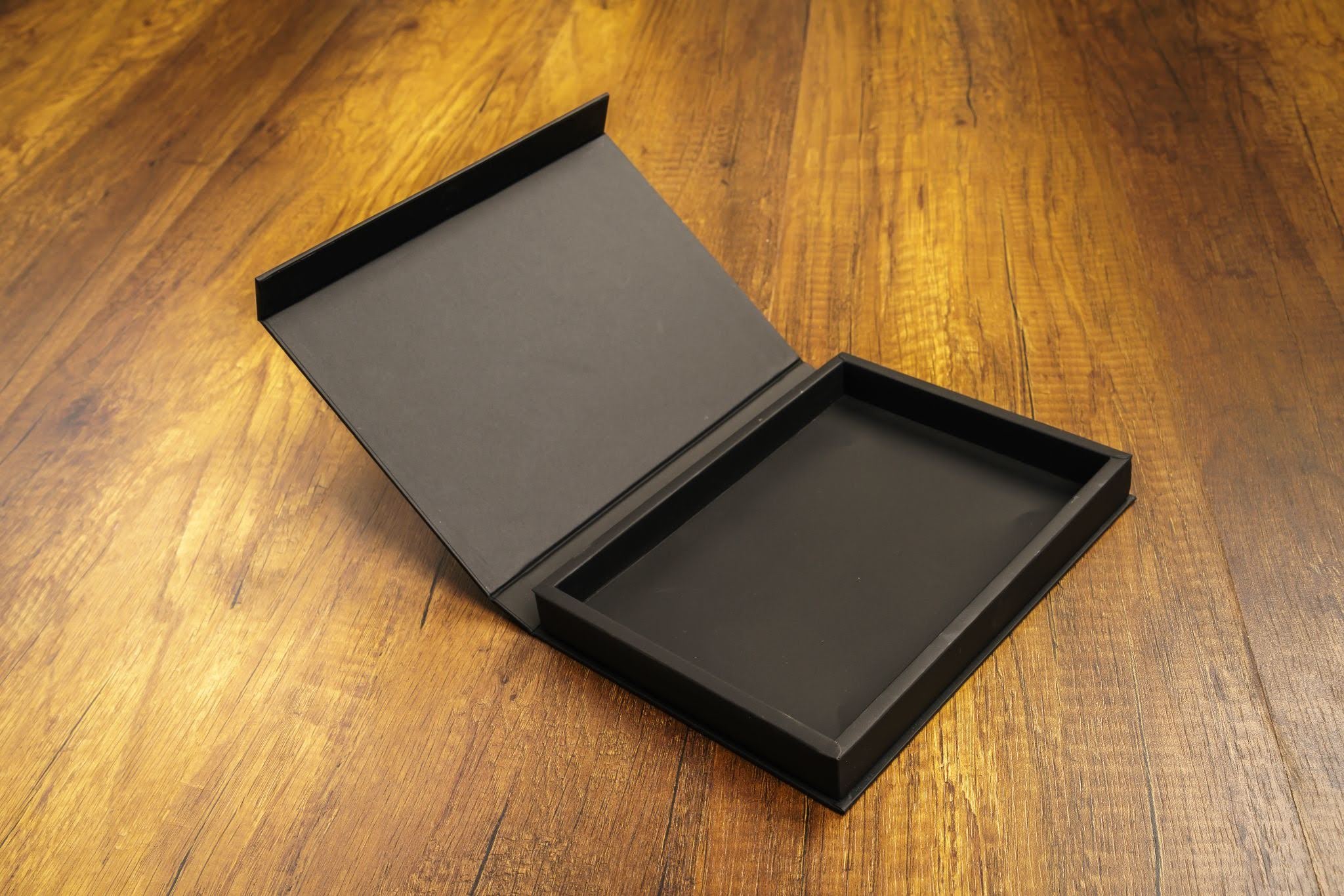
For premium products or seasonal collections, brands can also explore clothing gift boxes for orders where presentation is particularly important.
Gift-oriented packaging can be useful for special occasions, limited collections, promotional campaigns and products purchased as presents.
7. Don’t Forget About Internal Presentation
The outside of the box protects the product during transportation, but the inside determines what customers see when they open it.
Garments should ideally arrive neatly folded and organised.
Depending on the product, brands can consider:
- Tissue paper
- Branded wrapping
- Product cards
- Care instructions
- Thank-you notes
- Inserts
- Compartments for accessories
These details do not need to be expensive.
A well-organised presentation can make an ordinary delivery feel much more intentional.
For example, a customer ordering a premium shirt may expect the product to arrive folded neatly rather than compressed loosely inside an oversized shipping box.
8. Think About Different Order Sizes
Your packaging strategy should work for both single-item and multi-item orders.
A customer purchasing one T-shirt has different packaging requirements from someone ordering three shirts, a hoodie and accessories.
Instead of using one box size for everything, consider creating a small range of packaging sizes.
For example:
- Small box for single garments
- Medium box for multiple lightweight items
- Larger box for bulkier garments
- Premium box for gift or luxury orders
This can help your fulfilment team select packaging more efficiently while maintaining a consistent customer experience.
9. Balance Protection With Shipping Efficiency
Packaging decisions affect more than product safety.
Box dimensions and weight can influence how efficiently products are stored, packed and transported.
A compact box that fits the product appropriately can make warehouse handling easier and reduce unnecessary empty space.
For growing UK e-commerce brands, this becomes increasingly important as order volumes increase.
Instead of evaluating packaging solely on the price per box, consider the overall packaging cost, including:
- Storage
- Packing time
- Additional filler
- Product damage
- Returns
- Shipping efficiency
- Customer experience
A slightly more expensive box can potentially provide better overall value if it reduces operational problems.
10. Consider Sustainability Carefully
Sustainability is becoming an important consideration for many fashion customers, but packaging claims should be based on the actual materials and construction used.
For example, Artsy Packaging offers options including kraft paperboard, recyclable paperboard and corrugated materials for apparel packaging.
Rather than adding vague claims such as “100% eco-friendly” to your packaging, explain specific characteristics that you can substantiate.
Consider:
- What material is being used?
- Is it recyclable?
- Does the design minimise unnecessary material?
- Can the packaging be reused?
- Is the box appropriately sized?
A practical sustainability strategy is generally more credible than simply adding environmental messaging to the box.
11. Test Your Packaging Before Ordering in Bulk
One of the most important steps is also one that businesses sometimes overlook: testing.
Before committing to a large production run, test how the packaging performs with your actual products.
Check:
- Does the garment fit correctly?
- Is there excessive empty space?
- Does the box close securely?
- Can the packing team assemble it efficiently?
- Does the product remain neatly presented?
- Does the structure withstand normal handling?
- Does the printed design look accurate?
- Does the finished package represent your brand?
A physical sample can reveal issues that are difficult to identify from a digital design.
Artsy Packaging also provides proofing options for packaging orders, including digital proofing and hard-copy proofing for qualifying orders.
Apparel Shipping Boxes Should Work for Your Business
The best apparel shipping boxes are not necessarily the largest, thickest or most heavily decorated options.
They are the boxes that match the product.
For UK fashion brands, that means considering the garment size, product weight, order volume, storage requirements, shipping journey, brand identity and customer expectations before making a decision.
A well-designed package should protect the clothing, make fulfilment practical and create a positive impression when the customer receives it.
Final Thoughts
Packaging is an important part of the modern fashion buying experience.
Whether you are launching a small online clothing business or managing an established UK fashion brand, the right packaging can help protect your products while reinforcing your identity.
Custom apparel boxes allow brands to control dimensions, artwork, materials and finishes rather than relying entirely on generic packaging. For special occasions and premium collections, clothing gift boxes can take presentation a step further. And for everyday e-commerce fulfilment, well-designed apparel shipping boxes can provide the balance of protection, presentation and practicality your business needs.
At Artsy Packaging, custom clothing packaging can be produced in different sizes, materials, colours and finishes to suit individual product and brand requirements. The company also offers low MOQs, design support and UK shipping options.
The best place to start is simple: understand your garments, understand your customers and design your packaging around both.