 Apparel Boxes
 Candle Boxes
 Bakery Boxes
 Cbd Boxes
 Medical Boxes
 Automotive Boxes
 Jewellery Boxes
 Cannabis Boxes
 Xmas Boxes
 Cosmetic Boxes
 Gift Boxes
 Hemp Boxes
 Vape Boxes
 Retail Boxes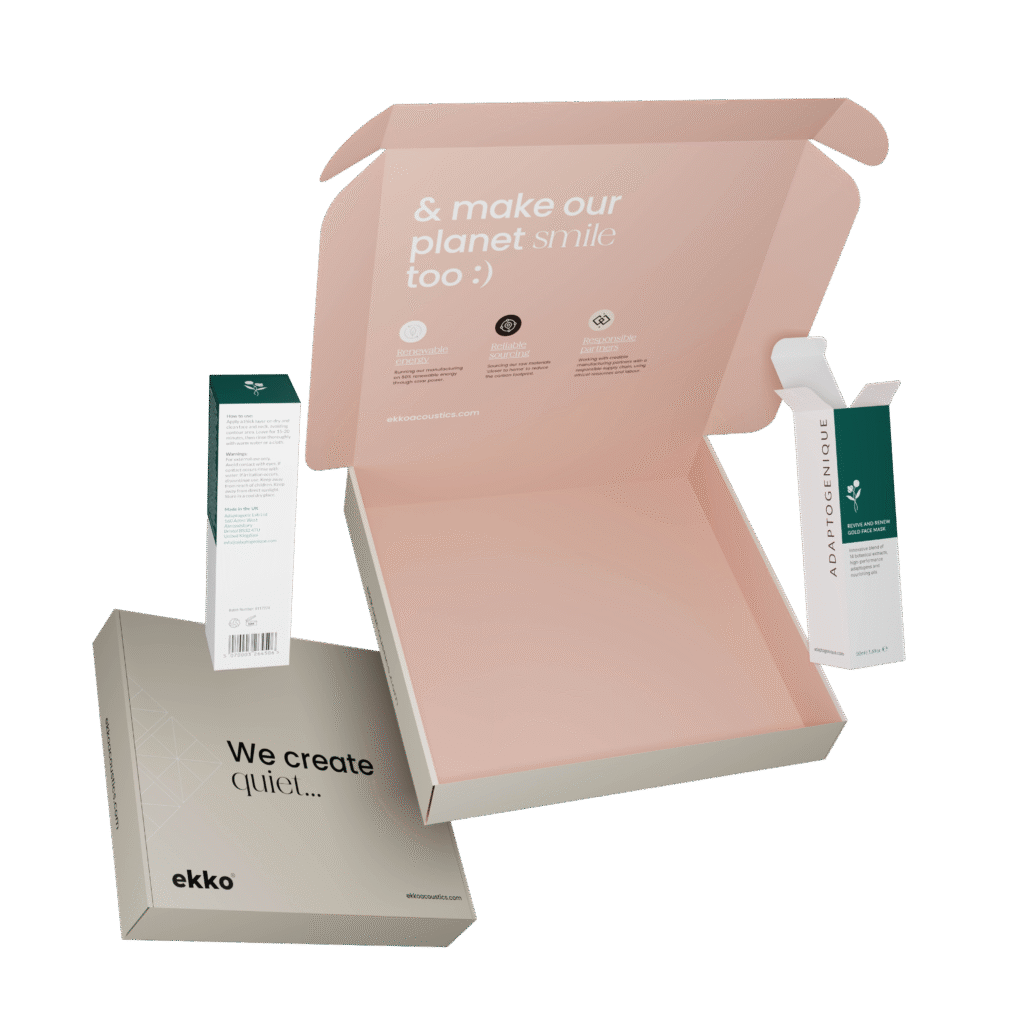
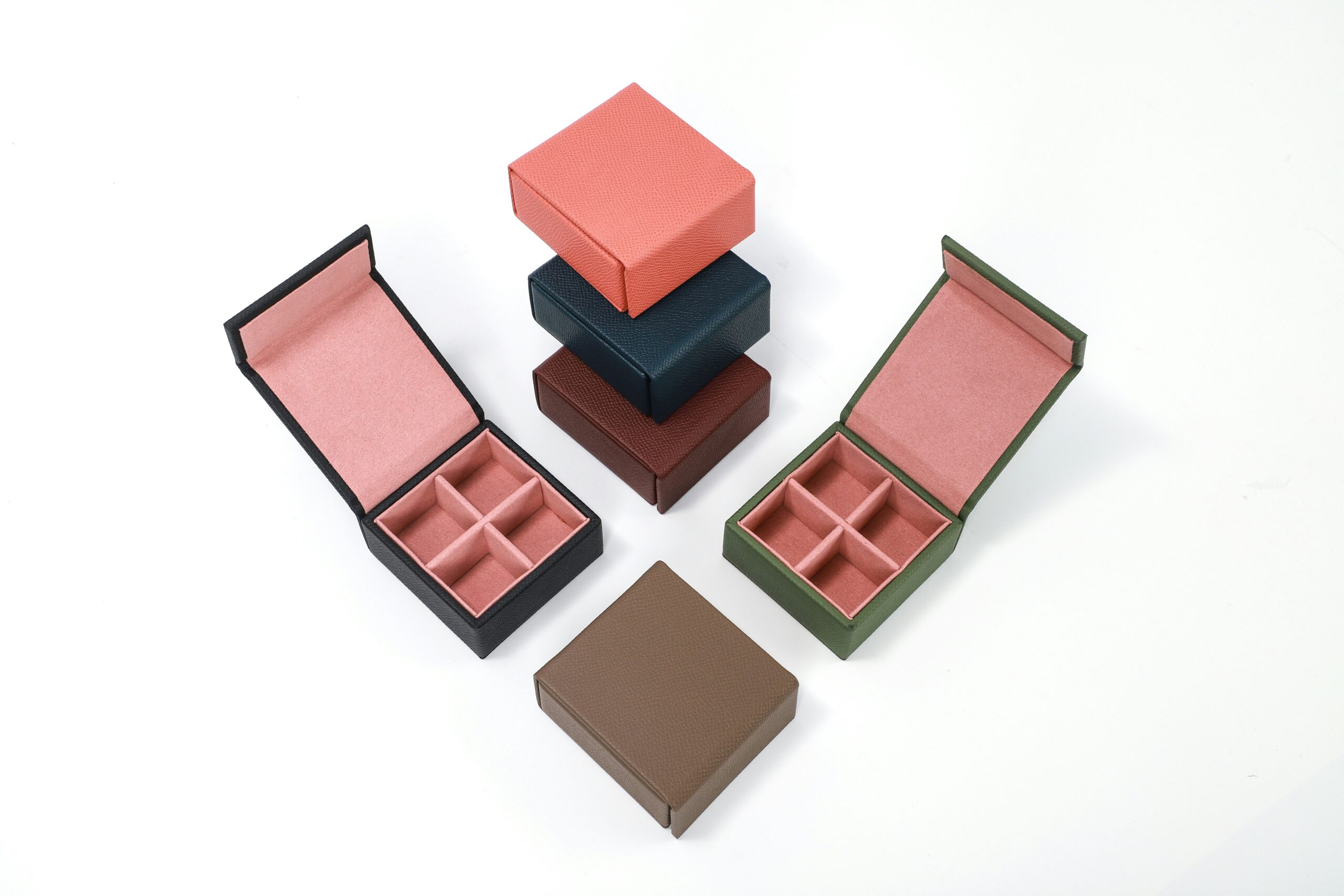
For a small business, packaging is more than a box. It protects the product, affects delivery costs, shapes the customer’s first impression and can influence whether someone remembers your brand after an order arrives.
The challenge is that packaging budgets are often limited. Ordering too little can increase the cost per box, while ordering too much can tie up cash and leave you with packaging that no longer suits your products. At the same time, choosing the cheapest option can lead to damaged products, excessive material use or an unprofessional customer experience.
The right approach is not simply to find cheap packaging. It is to find packaging that provides the right balance of cost, protection, presentation, quantity and practicality.
For UK startups, e-commerce sellers and growing brands, this guide explains how to make that decision.
Why Packaging Costs Can Become a Problem for Small Businesses
Small businesses commonly face several packaging challenges:
- Limited upfront budgets
- Unpredictable order volumes
- High cost per unit at low quantities
- Excess packaging and unnecessary materials
- Storage limitations
- Damaged products during delivery
- Packaging that looks generic or inconsistent with the brand
- Paying for premium finishes that customers may not value
- Ordering thousands of boxes before knowing whether the design works
These problems are connected. For example, a business may choose a large box because it is easier to source, but the extra space can require more void fill and increase shipping volume.
Similarly, a luxury rigid box may look impressive, but it may not be the most economical solution for a product that is shipped daily.
The solution is to design packaging around the product, sales channel and realistic order volume, not simply around appearance.
1. Start With Your Total Packaging Budget
Before choosing a box, establish how much you can realistically spend on packaging.
Your budget should include more than the price of the box. Consider:
- Box or packaging unit cost
- Printing
- Finishing
- Inserts
- Labels or stickers
- Protective materials
- Delivery
- Storage
- Sampling and prototyping
- Potential wastage
A useful way to look at packaging is:
Total packaging cost per order = packaging + protective materials + packaging-related delivery/storage costs
This gives you a more realistic picture than comparing box prices alone.
For example, a slightly more expensive custom-sized box may actually reduce your overall cost if it eliminates unnecessary filler material and fits more efficiently into your shipping process.
2. Choose the Right Box Size Instead of the Biggest Box
One of the simplest ways for a small business to control packaging costs is to choose the correct dimensions.
Oversized packaging can create several problems:
- More material is required
- More void fill may be needed
- Storage takes up more space
- Products can move around during transit
- Shipping efficiency can suffer
On the other hand, packaging that is too tight can put pressure on the product and make packing slower.
For this reason, measure the product first and consider:
Product dimensions + required protection + practical packing clearance = appropriate box dimensions
Custom packaging becomes particularly useful when standard boxes leave too much unused space.
Artsy Packaging offers custom-sized packaging and a range of box structures, allowing small businesses to specify dimensions according to their products.
3. Don’t Automatically Choose the Most Expensive Material
The best packaging material depends on what you are selling and how it reaches the customer.
For example:
Folding carton or paperboard
Suitable for many lightweight retail products, cosmetics, food-related products and smaller consumer goods.
Kraft packaging
A popular choice for brands looking for a natural visual appearance and paper-based packaging option.
Corrugated cardboard
Useful where greater protection is required, particularly for shipping and e-commerce orders.
Rigid boxes
Generally better suited to premium presentation, luxury products and gifting where the packaging experience is part of the product.
The objective is fit for purpose, not simply premium materials.
Artsy’s cardboard packaging range, for example, includes custom options designed for retail, shipping and storage applications.
4. Think Carefully About Your Order Quantity
One of the biggest decisions for a small business is how many boxes to order.
Ordering a very small quantity may mean paying more per unit. However, ordering a very large quantity can create another problem: your cash is tied up in inventory.
Ask yourself:
- How many products do I currently sell each month?
- Is demand stable or seasonal?
- Am I testing a new product?
- Could my packaging design change soon?
- Do I have enough storage?
- How quickly can I reorder?
For a new product, a smaller initial production run can reduce risk. Once sales become predictable, larger quantities may make better financial sense.
Artsy Packaging states that its minimum quantities can start at around 100 boxes and that quotations can include different price breaks, which can help smaller businesses compare quantity options.
Don’t automatically order the largest quantity just because the unit price is lower.
The cheapest box is not necessarily the cheapest packaging strategy if half of your inventory remains unused.
5. Prioritise the Features Your Customers Actually Need
A common mistake is spending too much of the packaging budget on features that provide little practical value.
Premium finishes can include:
- Foiling
- Embossing
- Debossing
- Spot UV
- Soft-touch lamination
- Special coatings
- Window cut-outs
- Printed interiors
These can be valuable for premium brands, but they should support a clear purpose.
If your budget is limited, prioritise:
- Correct box structure
- Appropriate material
- Product protection
- Accurate sizing
- Clear branding
- Print quality
Then consider premium finishes as optional upgrades.
A well-designed box with strong branding can look professional without using every available finishing technique.
6. Use Your Packaging as a Marketing Asset
Small businesses often cannot compete with larger brands on advertising budgets.
Packaging gives them another opportunity.
A branded box can communicate:
- Your logo
- Brand colours
- Product information
- Website or social media details
- Brand messaging
- Care instructions
- Sustainability information where accurate
This is particularly important for e-commerce businesses because the packaging may be the first physical interaction a customer has with your brand.
Instead of treating packaging as an unavoidable expense, consider whether it can perform multiple functions.
Protection + branding + customer communication = greater value from the same packaging investment.
Artsy Packaging’s custom packaging service supports branded boxes across different structures, including best mailer boxes, tuck, retail and rigid boxes.
7. Consider Sustainable Packaging Without Overspending
Sustainability is increasingly important, but small businesses do not necessarily need the most expensive sustainable packaging available.
A practical starting point is to reduce unnecessary material.
UK government guidance states that packaging should use the minimum weight and volume necessary to keep products safe and hygienic. It also sets requirements around recyclable, reusable and compostable packaging.
This means sustainable packaging decisions should involve more than putting an “eco” label on a box.
Consider:
- Can the box be smaller?
- Can unnecessary inserts be removed?
- Is the material appropriate for the product?
- Can paper-based components be recycled through available systems?
- Are coatings or mixed materials necessary?
- Can packaging serve more than one purpose?
This approach can sometimes improve both sustainability and cost efficiency.
8. Don’t Forget the Cost of Damaged Products
Saving a few pence on packaging is not worthwhile if it increases product damage.
For an e-commerce business, a damaged order can mean:
- Replacement product
- Additional shipping
- Customer service time
- Refunds
- Negative reviews
- Loss of customer trust
Therefore, packaging should be tested before committing to a large production run.
Test the box with the actual product and consider:
- Does the product move inside the box?
- Can corners withstand normal handling?
- Does the closure stay secure?
- Is additional protection required?
- Can staff pack the product quickly?
- Does the packaging arrive in good condition?
Artsy Packaging also offers digital proofing and physical sample options, allowing packaging concepts to be reviewed before full production.
9. Choose Packaging Based on Your Sales Channel
The right packaging for a shop shelf may not be the right packaging for an online order.
For e-commerce
Prioritise:
- Product protection
- Secure closure
- Appropriate dimensions
- Shipping efficiency
- Easy opening
- Strong outer packaging where necessary
For retail
Prioritise:
- Shelf presentation
- Branding
- Product visibility
- Structural stability
- Print quality
For luxury or gifting
Prioritise:
- Material quality
- Opening experience
- Inserts
- Finishing
- Consistent brand presentation
Understanding where the packaging will be used helps prevent you from paying for features that do not benefit your particular sales channel.
10. Get Quotes Based on the Same Specification
When comparing custom packaging boxes UK suppliers, don’t compare prices based only on the headline number.
Send each supplier the same information:
- Box style
- Length, width and height
- Material
- GSM or board specification where relevant
- Printing requirements
- Finishes
- Quantity
- Delivery location
- Required delivery date
Then compare the complete quotation.
A £0.20 box is not necessarily cheaper than a £0.25 box if the first quotation excludes printing, delivery or another required component.
For small businesses, transparent quotations make it much easier to plan packaging costs accurately.
How Artsy Packaging Helps Small Businesses Control Packaging Costs
At Artsy Packaging, the goal is not simply to produce attractive boxes. The packaging needs to make commercial sense for the business using it.
Businesses can choose from different packaging formats, materials, sizes, printing options and finishes according to their requirements. Artsy also provides design support, digital proofing and low minimum quantities, helping smaller brands develop packaging without immediately committing to very large production runs.
For a small business, this means you can start by defining the essentials:
Product → dimensions → protection → quantity → budget → branding → finish
That process helps avoid paying for unnecessary features while ensuring the packaging still represents your brand professionally.
Choose Value, Not Just the Lowest Price
Choosing packaging on a small-business budget does not mean choosing the cheapest box available.
The better strategy is to maximise value per packaging unit.
Choose a size that fits the product, select material according to protection requirements, order quantities that match realistic demand and invest in branding features that genuinely contribute to the customer experience.
Most importantly, test your packaging before committing to a large production run.
For UK small businesses, the right packaging for small businesses should protect the product, support efficient fulfilment, represent the brand and remain financially sustainable as the business grows.
Good packaging isn’t about spending more. It’s about spending in the right places.