
The Complete Guide to Food Branding: Ideas, Examples and Strategies
By Artsy Packaging · · Blog
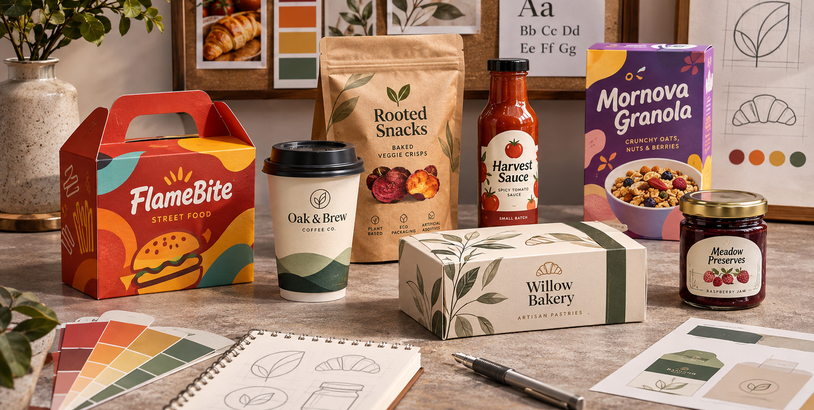
A food product may have great ingredients, a distinctive flavour and excellent quality, yet still go unnoticed among competing brands. Customers often make quick choices based on what they recognise, understand and trust. Without a clear identity, consistent messaging and appealing packaging, a food business may struggle to communicate its value or give customers a reason to choose it.
Food branding goes beyond designing an attractive logo or package. It involves understanding your audience, defining what makes your product different and creating a consistent identity across packaging, marketing and customer interactions. This guide explores the essential elements of food branding, creative ideas, real-world examples and practical strategies. It also explains how to build a food brand step by step, measure its performance and avoid common mistakes, helping you create a recognisable brand that earns customer trust and encourages repeat purchases.
What Is Food Branding?
Food branding is the process of creating a distinctive identity for a food business or product through its name, logo, colours, packaging, messaging and customer experience. It helps customers recognise, trust and choose the brand over competitors.
A food brand is much like a person, with its own personality shaped by how it looks, communicates, behaves and expresses its values. Customers form opinions through their experiences across different touchpoints, including product packaging, physical stores, websites, social media, advertising and customer interactions. These experiences shape customers' perceptions, strengthen brand recognition and create lasting emotional connections with a food business.

How Is Food Branding Different from Food Marketing?
Food branding and food marketing are closely connected, but they serve different purposes in the food industry. Branding establishes a food business's identity, personality, values, and competitive differentiation, while marketing communicates that identity to potential customers through promotional activities and campaigns. Advertising is a paid promotional activity within marketing, while packaging design and brand identity help communicate the brand to customers across different touchpoints.
The table below explains how food branding differs from marketing, advertising, packaging design and brand identity.
| Concept | What It Is | Question It Answers | Time Horizon | Example Output |
|---|---|---|---|---|
| Food Branding | The process of establishing a distinctive identity, personality, and market position for a food business or product. | Who are we, and why are we different? | Long-term | Brand positioning, personality, values, and brand promise. |
| Food Marketing | Activities and strategies used to promote food products, communicate brand value, and attract customers. | How do we reach and attract our customers? | Ongoing and campaign-led | Marketing campaigns, social media promotions, email marketing, and product launches. |
| Advertising | A paid promotional activity used to increase product awareness and encourage purchasing decisions. | How can we use paid promotion to reach our audience? | Campaign-based | Paid social media ads, television commercials, and sponsored advertisements. |
| Packaging Design | The visual and functional design of food product packaging, including its materials, structure, graphics, and labels. | How should our product look, function, and communicate on the shelf? | Medium to long-term | Product labels, packaging layouts, containers, and branded wrappers. |
| Brand Identity | The visual and verbal elements that represent a food brand and make it recognisable. | How does our brand express its personality and values? | Long-term | Logo, colour palette, typography, imagery, and brand guidelines. |
Why Is Food Branding Important?
Food branding is important because it builds brand recognition, establishes consumer trust, influences purchase decisions, encourages customer loyalty and differentiates products in competitive markets. A consistent brand identity helps businesses communicate product value and create lasting customer relationships.
Brand Recognition
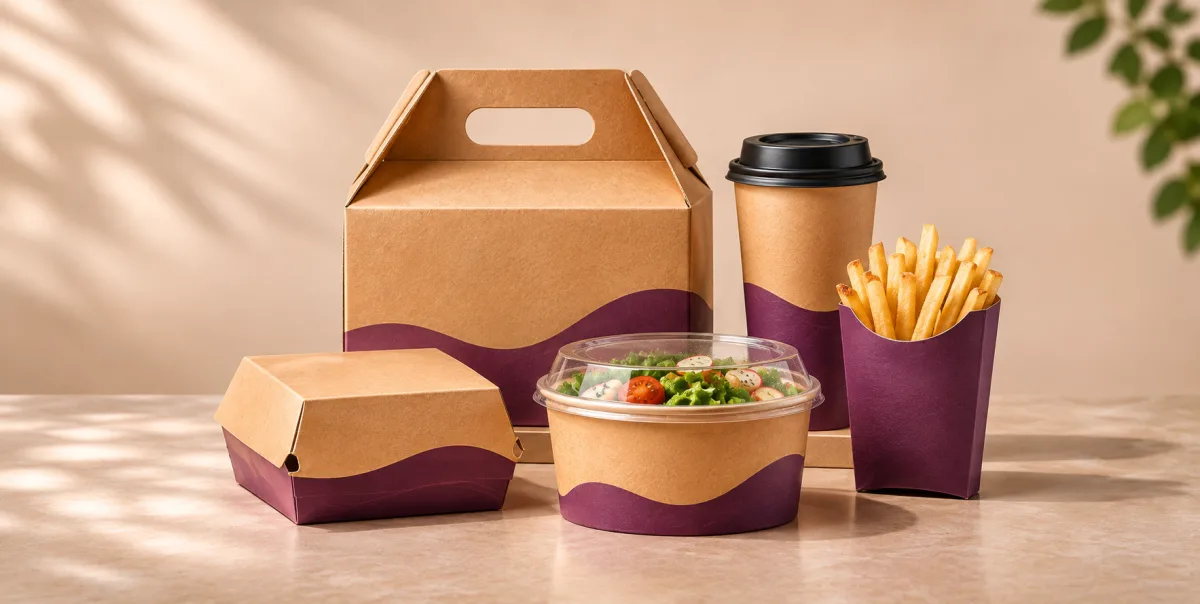
Consistent food branding helps customers recognise products through repeated visual cues, such as logos, colours, shapes and packaging formats. These elements make products easier to identify on supermarket shelves and online stores. For example, using different colours for flavours while keeping the same logo and packaging layout strengthens brand recall and helps customers find familiar products across sales channels.
Builds Customer Trust
Clear ingredient lists, product provenance and accurate labelling help customers make informed choices. Consistent product quality and professional packaging reinforce credibility. Honest communication about sourcing, ingredients and environmental impact also builds confidence. Unsupported claims can mislead customers and damage trust, making transparent, verifiable information essential to credible food branding.
Creates Competitive Differentiation
Food branding distinguishes products in crowded markets by highlighting specific benefits, such as taste, provenance, health, price or heritage. For example, "traditional British snacks made with locally sourced ingredients" communicates a clearer identity than "snacks for everyone". Similarly, "no-added-sugar fruit drinks" highlights a specific selling point beyond simply describing the product as fruit drinks.
Builds Customer Loyalty and Perceived Value
A compelling brand story, clear values and distinctive personality help create emotional connections with customers. Positive brand associations can encourage repeat purchases and increase willingness to pay a premium. However, loyalty and sales also depend on product quality, customer experience and pricing. Businesses can track repeat purchase rates to measure customer loyalty.
Influences Food Purchasing Decisions
Food branding influences purchasing decisions by communicating product appeal, value and relevance. Recognisable packaging, clear information and distinctive messaging help shoppers identify products and compare options. For example, clearly differentiated flavour packaging makes product variations easier to recognise. However, price, availability, product quality and personal preferences also affect purchasing decisions.
What Are the Essential Elements of Food Branding?
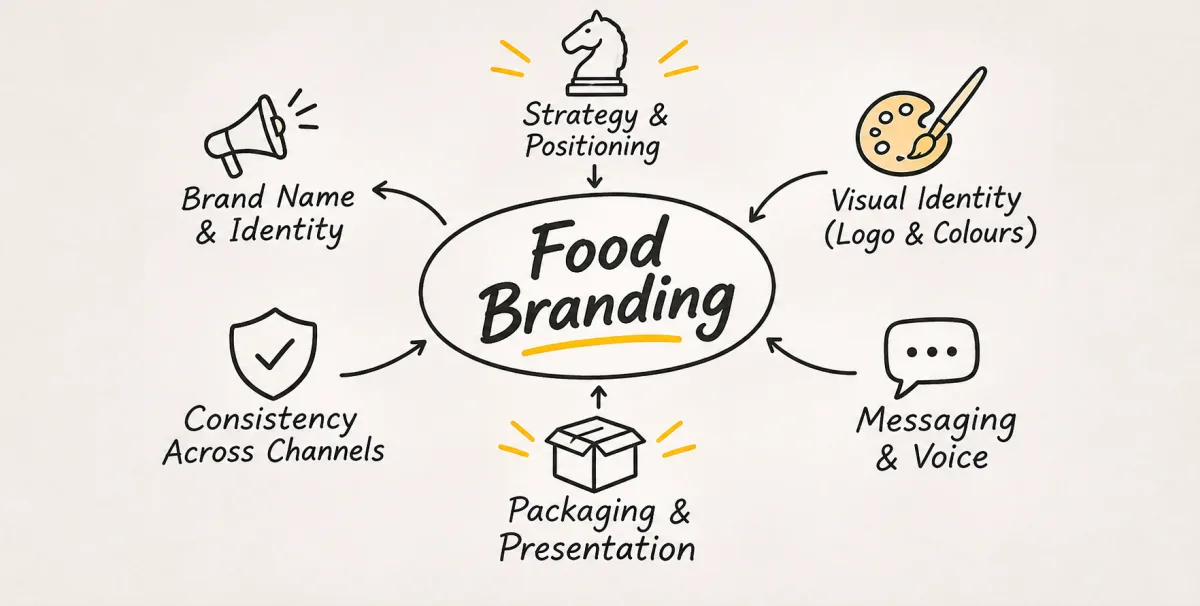
Food branding combines three connected parts: strategy decides how a brand is positioned, identity expresses its personality, and packaging carries that identity to customers. Each element contributes to how customers recognise, understand and perceive a food business.
- Brand Strategy and Positioning
Brand strategy defines what a food business stands for, who it serves and how it differs from competitors. Key decisions include target audience, brand values, market positioning and unique selling proposition (USP).
2. Brand Name and Identity
A memorable brand name and distinctive identity help customers recognise and recall food businesses. Names, logos, colours and typography should reflect the brand's personality and remain consistent across customer touchpoints.
3. Logo, Colours and Typography
Visual identity creates a recognisable appearance through logos, colour combinations, typography and imagery. Consistent visual elements help food brands communicate their personality and stand out in retail and digital environments.
4. Brand Messaging and Voice
Brand messaging communicates a food business's values, product benefits and personality. Consistent language, tone and storytelling help customers understand what the brand offers and what makes it different.
5. Food Packaging and Presentation
Food packaging carries brand identity into the physical customer experience. Packaging structure, colours, graphics, product information and materials influence shelf appeal, communicate product details and support brand recognition.
6. Brand Consistency Across Touchpoints
Consistent branding creates a familiar experience across packaging, websites, social media, advertising and retail displays. Maintaining the same visual identity and messaging helps customers recognise the brand wherever they encounter it.
| Element | Role | Key Decision | Common Food-Industry Mistake |
|---|---|---|---|
| Brand strategy | Defines market positioning and direction. | Target audience, USP and brand values. | Trying to appeal to everyone. |
| Brand name | Gives the business a recognisable identity. | Name, relevance and memorability. | Choosing a generic or difficult-to-pronounce name. |
| Logo and visual identity | Creates consistent visual recognition. | Logo, colours, typography and imagery. | Using inconsistent designs across platforms. |
| Brand messaging and voice | Communicates personality and product value. | Tone, messaging and brand story. | Making vague or unsupported claims. |
| Food packaging | Presents the product and communicates brand identity. | Packaging format, materials, design and labelling. | Prioritising appearance over product protection and practical requirements. |
| Brand consistency | Maintains a recognisable customer experience. | Consistent application across touchpoints. | Using different branding styles across packaging, websites and social media. |
Food Branding Ideas and Inspiration
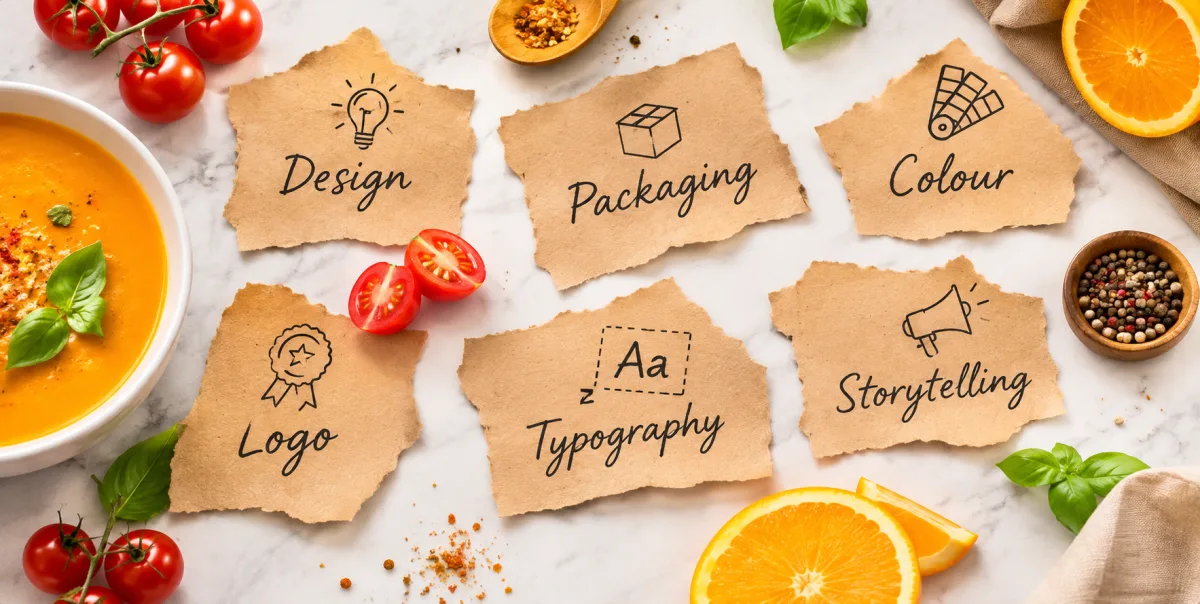
Food branding combines visual identity, packaging and messaging to create a recognisable product identity. Different food categories use colours, typography, illustrations and packaging styles to appeal to specific audiences. These food branding ideas show how established brands create distinctive identities and how businesses can apply similar approaches.
1. Healthy Food Branding Ideas
Healthy food branding uses fresh colours, clean typography and simple layouts to communicate freshness and nutrition. Green, white and earthy shades often suit health-conscious audiences.
Example: Innocent Drinks uses playful illustrations, friendly messaging and distinctive packaging to create an approachable brand identity.
Idea to try: Use fresh colours, ingredient illustrations and clear product benefits to create an inviting identity.
2. Organic and Natural Food Branding Ideas
Organic and natural food branding often uses earthy greens, warm browns, botanical illustrations and understated typography to communicate simplicity and natural ingredients.
Example: Pukka Herbs uses colourful botanical illustrations and distinctive lettering across its tea packaging.
Idea to try: Use ingredient-inspired illustrations, natural colours and clear product information to communicate your brand identity. Display organic certifications only when verified.
3. Bakery and Dessert Branding Ideas
Bakery branding should communicate freshness, craftsmanship and a welcoming personality. Pastel shades, warm neutrals, playful typography and appetising photography work well for cakes, biscuits and confectionery.
Example: Biscuiteers use decorative biscuit designs and illustrated presentation boxes to create a distinctive gifting identity.
Idea to try: Create signature illustrations or patterns and repeat them across cake boxes, pastry bags and product labels.
4. Snack and Convenience Food Branding Ideas
Snack branding relies on bold colours, clear flavour names and eye-catching typography to attract attention on crowded shelves. Consistent packaging also helps customers recognise different product varieties.
Example: Graze uses vibrant colours, playful typography and product imagery across its snack packaging.
Idea to try: Assign different colours to individual flavours while maintaining the same logo and packaging layout.
5. Beverage Branding Ideas
Beverage branding needs strong shelf appeal, particularly in crowded supermarket fridges. Bold colour blocks, distinctive typography and clear bottle or can labels help products stand out.
Idea to try: Choose a recognisable brand colour and use complementary shades for individual flavours while keeping the logo and label layout consistent.
6. Premium and Luxury Food Branding Ideas
Premium food branding communicates quality, craftsmanship and exclusivity through refined typography, restrained colour palettes and sophisticated packaging finishes. Deep colours, metallic details, embossing and foil stamping can enhance product presentation.
Example: Tony's Chocolonely uses bold colour combinations, oversized typography and distinctive chocolate packaging.
Idea to try: Combine minimal design, premium rigid packaging and a short product-origin story to create a memorable presentation.
7. Sustainable Food Branding Ideas
Sustainable food branding communicates environmental responsibility through natural colours, botanical illustrations and simple layouts. Recyclable paperboard and minimal packaging can support this positioning when accurately represented.
Idea to try: Combine botanical artwork with recyclable packaging and clear, substantiated recycling information. Avoid unsupported environmental claims.
8. Restaurant Branding Ideas
Restaurant branding creates a consistent customer experience across menus, signage, uniforms, tableware and interior design. Colours, typography, lighting and décor should reflect the restaurant's cuisine and atmosphere.
Idea to try: Carry your logo, colours and typography across menus, staff uniforms, takeaway packaging, restaurant signage and social media.
Food Product Branding Strategies
Effective food product branding starts with understanding your audience, defining your market position, establishing your brand personality, developing a visual identity and creating consistent messaging. This sequence matters because design decisions should reflect your brand strategy rather than come before it. A clear strategy helps food businesses build recognisable products, communicate their value, and build stronger customer connections.
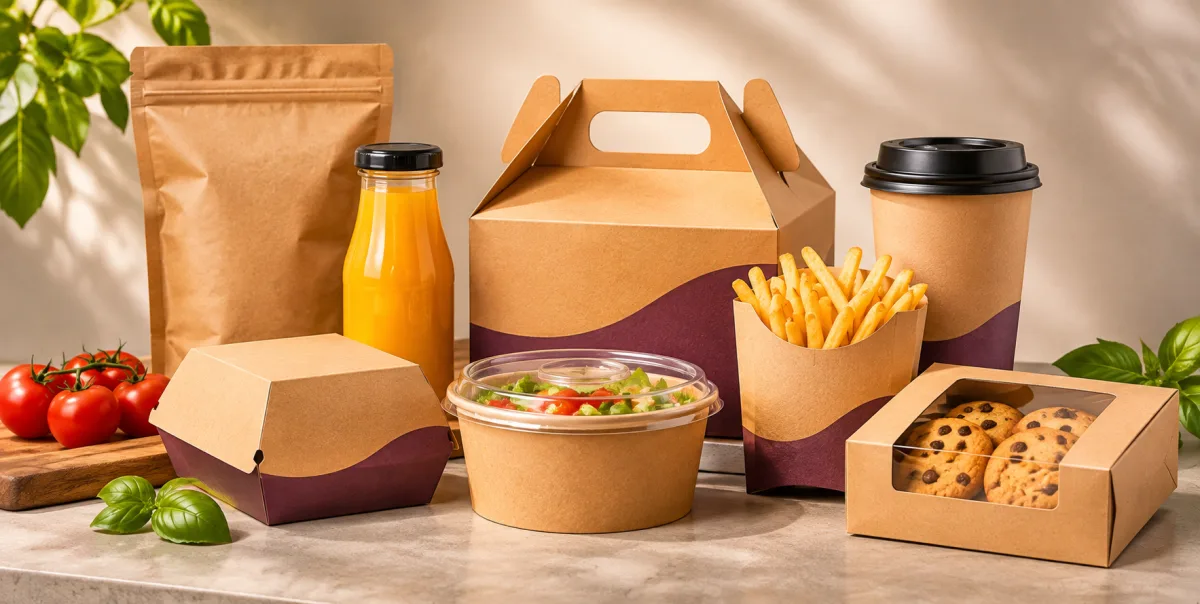
Product Positioning
Product positioning defines how customers should perceive your food product compared with competing options. A clear position helps communicate who the product serves, what makes it valuable and why customers should choose it.
Use this positioning statement template:
For [audience] who [need], [brand] is the [category] that [single benefit] because [reason to believe].
For example: For busy professionals who want convenient healthy snacks, GreenBite is the snack brand that provides nutritious on-the-go options because it uses carefully selected, natural ingredients.
Identify two types of product attributes:
- Points of difference: Benefits that distinguish your product, such as a unique flavour, local sourcing or convenient packaging.
- Points of parity: Features customers expect from products in your category, such as consistent quality, suitable pricing or clear ingredient information.
Unique Selling Proposition
A unique selling proposition (USP) communicates the single most compelling benefit that makes your food product different. It could focus on taste, provenance, health benefits, ethical sourcing, convenience or price.
Test your USP with three questions:
- Is it true? Can you support the claim with evidence?
- Is it different? Does it distinguish your product from competitors?
- Does the customer care? Does it solve a relevant need or influence purchasing decisions?
Choose one primary benefit rather than trying to communicate everything at once.
Target Audience
Target audience research helps food businesses understand who is most likely to buy their products and what influences their decisions.
Consider these segmentation factors:
- Demographics: Age, income, location and household type.
- Lifestyle: Busy professionals, families, fitness enthusiasts or convenience-focused shoppers.
- Dietary preferences: Vegan, vegetarian, gluten-free or high-protein choices.
- Shopping habits: Supermarket purchases, online orders, speciality stores or subscriptions.
- Purchase occasions: Everyday meals, snacking, gifting or celebrations.
A simple customer persona helps turn this research into a practical profile.
Customer persona template:
- Profile: Age, location and lifestyle.
- Preferences: Favourite food types and dietary choices.
- Shopping habits: Where and how they purchase food.
- Pain points: Problems your product can solve.
- Motivation: What influences their buying decisions.
Use customer surveys, interviews, reviews and social media listening to identify recurring needs and purchasing patterns.
Brand Storytelling
Brand storytelling gives customers a reason to connect with your food business beyond the product itself. Focus on three story types:
- Founder story: Explain why the business started and the inspiration behind it.
- Provenance story: Highlight ingredient origins, local suppliers or traditional production methods.
- Mission story: Communicate the values and purpose guiding the business.
Keep every story true, specific and human. Share it through packaging, website content, social media and menus to build an emotional connection that encourages customer loyalty.
Competitor Differentiation
Competitor analysis helps identify opportunities to make your food brand stand out. A practical shelf audit reveals common category conventions and visual gaps you can use to develop a distinctive identity.
Follow these steps:
- Select competitors: Identify 10–15 competing food brands across physical stores and online retailers.
- Collect examples: Photograph their packaging, product listings and promotional materials.
- Record design elements: Note colours, packaging shapes, typography, product claims and information hierarchy.
- Identify patterns: Find visual conventions shared by most competitors.
- Find opportunities: Identify underused colours, design styles or messaging approaches.
- Make a decision: Choose which category conventions to follow and which to challenge.
Use the table below to compare and organise your findings.
| Audit criteria | What to examine |
|---|---|
| Colour palette | Dominant and supporting colours |
| Packaging shape | Boxes, pouches, bottles or jars |
| Typography | Font styles and readability |
| Product claims | Ingredients, benefits and certifications |
| Information hierarchy | Brand, flavour, benefits and product details |
| Brand messaging | Tone, positioning and key promises |
Final step: Use your findings to establish a recognisable position rather than copying competitors. Your food brand should meet customer expectations while offering a clear reason to choose your product.
Food Packaging and Brand Identity
Food packaging protects products, informs customers and encourages purchases. Its design, materials and messaging should reflect your brand identity while meeting practical product requirements. Every packaging choice influences how customers recognise and experience your food brand.
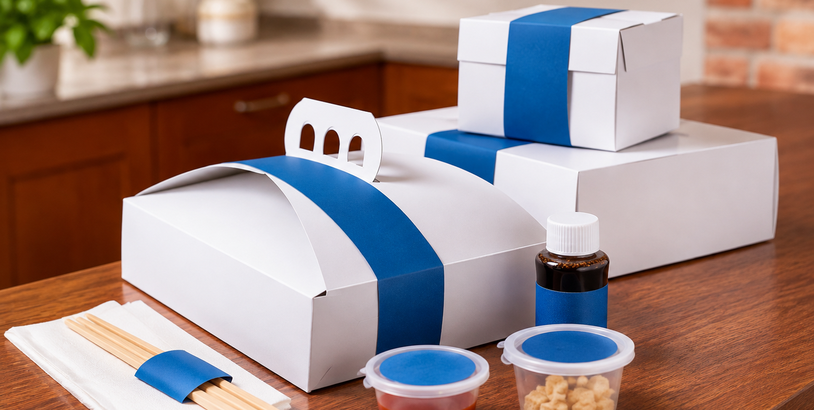
Packaging Design
Good packaging design starts with four questions: What is the product? Who is the customer? What must the packaging do? Where will it be seen? Arrange front-of-pack information in a clear order: brand, product or flavour, key benefit and required details. Maintain consistent colours, typography and layouts across product ranges, ensuring visibility on shelves and online thumbnails.
Packaging Materials
Select packaging materials based on product protection, storage and presentation needs. Ensure materials are suitable for their intended use, as packaging designed for shipping is not necessarily safe for direct food contact. Check applicable food-contact regulations before use.
The table below compares common food packaging materials, their uses and key considerations.
| Material | Common uses | Key consideration |
|---|---|---|
| Paper and card | Bakery boxes, cartons | Moisture and grease resistance |
| Glass | Jams, sauces, beverages | Weight and breakage |
| Plastic | Bottles, trays, containers | Material type and recycling |
| Metal | Cans and tins | Product compatibility |
| Flexible pouches | Snacks and powders | Barrier and sealing requirements |
Product Labels
Food labels communicate essential product information and help customers make informed choices. UK requirements vary by product and sales format. Check current Food Standards Agency (FSA) guidance, particularly for prepacked and prepacked for direct sale (PPDS) foods.
Depending on the product, include:
- Product name and ingredients.
- Highlighted allergen information.
- Nutritional details where required.
- Net quantity and storage instructions.
- Use-by or best-before date.
- Responsible food business name and address.
Sustainable Packaging
Sustainable packaging considers material use, reuse and disposal. Substantiate environmental claims, follow the CMA Green Claims Code and provide clear disposal instructions to avoid misleading customers.
- Recyclable: Can be processed into new materials.
- Compostable: Breaks down under specified conditions.
- Reusable: Designed for repeated use.
- Recycled content: Contains recovered materials.
Packaging and Customer Experience
Packaging shapes the customer experience through easy opening, resealable closures, convenient portions and protective delivery presentation. QR codes can connect customers to recipes, ingredient origins and brand stories. Thoughtful packaging makes products more convenient, memorable and shareable.
How to Build a Food Brand Step by Step
Building a food brand involves developing a distinctive product, understanding your audience, creating a recognisable identity and establishing reliable production and distribution. Follow these eight steps to turn your food concept into a market-ready brand.
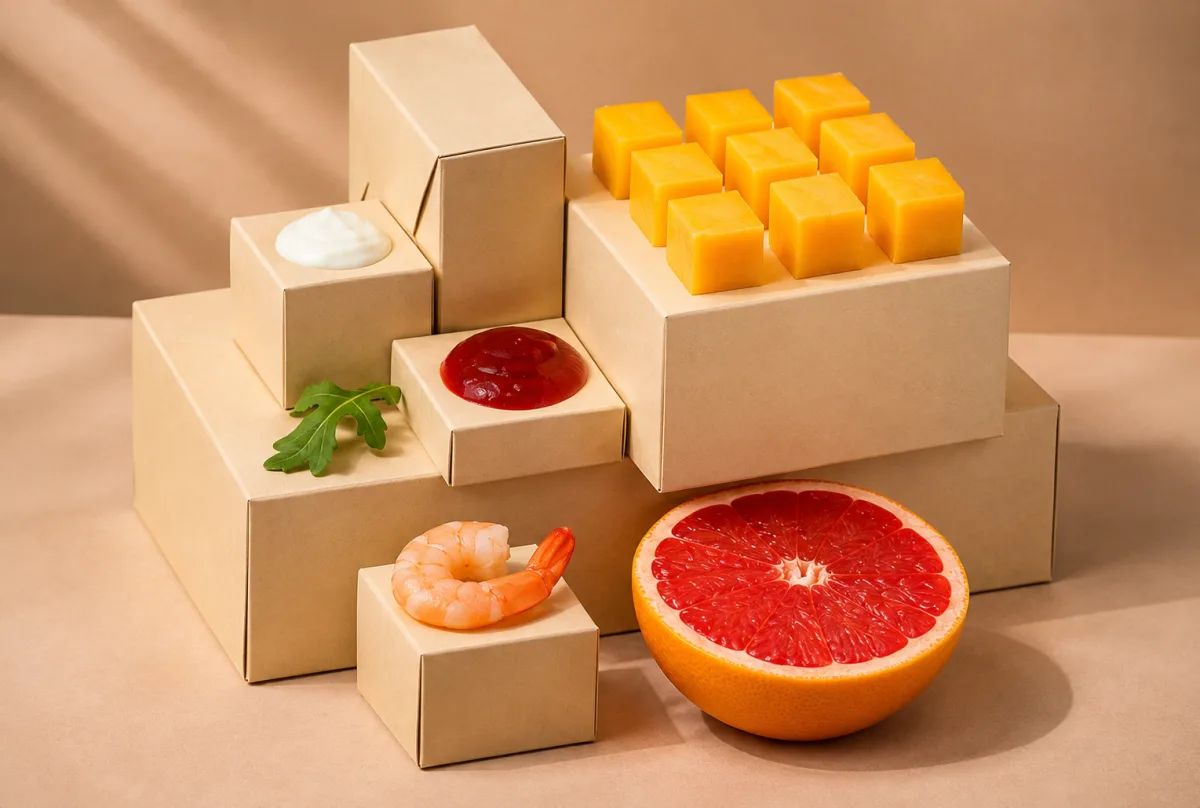
1. Develop Your Food Product and USP
Goal: Create a product customers want to buy.
Identify what makes your product different, such as its recipe, ingredients, flavour or health benefits. Test the concept through customer feedback, tastings or local pop-ups. Refine the recipe to maintain consistent quality, taste and shelf life.
Deliverable: A tested product concept and clear USP.
2. Research the Market and Competitors
Research competing products, pricing, packaging, customer reviews and industry trends. Identify gaps your product could fill and check relevant food safety, allergen and labelling requirements.
3. Identify Your Target Audience
Segment customers by age, income, lifestyle, dietary preferences and shopping habits. Identify their needs, purchasing motivations and preferred sales channels.
4. Establish Your Brand Strategy and Story
Create a positioning statement explaining why customers should choose your product. Establish three to five personality traits and develop a genuine story around your founder, ingredients, heritage or mission.
5. Develop Your Visual Identity and Packaging
Create your brand name, logo, colour palette, typography and imagery. Select suitable packaging materials and styles, prepare compliant label artwork and test packaging for visibility, usability and product protection.
6. Plan Production and Costs
Calculate ingredient, labour, packaging and distribution costs. Decide between in-house production and contract manufacturing. Arrange appropriate food safety and shelf-life assessments before scaling production.
7. Choose Distribution Channels
Choose suitable channels, including e-commerce, independent retailers, cafés, farmers' markets or supermarkets. Consider storage, transportation, temperature control and delivery requirements.
8. Launch and Market Your Food Brand
Launch your website and social media profiles. Use food photography, short videos, influencer collaborations, product sampling and email marketing to promote your products. Maintain consistent branding across online and physical channels.
Measuring Brand Performance
Measuring brand performance helps food businesses understand how customers recognise, perceive and engage with their brand. Tracking brand awareness, customer feedback, engagement and repeat purchases highlights strengths and areas for improvement.
Track these metrics to understand customer response and improve your brand strategy.
| Metric | What it measures |
|---|---|
| Brand awareness | Customer recognition |
| Brand consideration | Purchase interest |
| Product trials | First-time purchases |
| Repeat purchases | Customer retention |
| Customer reviews | Product satisfaction |
| Social engagement | Audience interaction |
| Branded searches | Brand-specific interest |
For small food businesses: Start with sales, repeat purchases, customer reviews and branded searches to monitor progress without investing in expensive research.
Common Food Branding Mistakes
Common food branding mistakes can make products less recognisable, confuse customers and weaken a brand's market position. Avoiding these mistakes helps food businesses create a consistent identity, communicate product value clearly and build customer trust.
Strong food branding requires more than an attractive logo or packaging design. A clear brand position, consistent visual identity, readable packaging and accurate product information help create a recognisable and trustworthy food brand.
| Mistake | Why It Matters | How to Avoid It |
|---|---|---|
| Designing Before Positioning | Creates an unclear brand identity without a defined audience or value proposition. | Define your target audience, brand values and market position first. |
| Copying Competitors | Makes your brand less distinctive in a crowded market. | Research competitors and develop a unique brand identity. |
| Inconsistent Branding | Weakens recognition across packaging, websites and social media. | Follow consistent brand guidelines across all channels. |
| Overcrowded Packaging | Makes important product information difficult to notice. | Keep designs simple and prioritise essential details. |
| Poor Readability | Makes product names and packaging information difficult to read. | Use clear fonts, suitable contrast and organised layouts. |
| Unsupported Claims | Can mislead customers and create legal or reputational risks. | Substantiate health and sustainability claims with evidence. |
| Incorrect Food Labelling | Can result in regulatory and compliance issues. | Check UK food labelling requirements before printing. |
| Ignoring Brand Performance | Makes it difficult to identify branding strengths and weaknesses. | Monitor customer feedback, brand awareness and engagement. |
| Ignoring Future Expansion | Makes branding difficult to adapt to new products and flavours. | Create flexible branding that supports product range growth. |
Frequently Asked Questions
1. What is food branding?
Food branding is the process of creating a recognisable identity for a food product or business. It includes the brand name, logo, colours, packaging, messaging and overall customer experience. These elements communicate what a food brand represents and help customers distinguish it from competitors.
2. Why is branding important in the food industry?
Food branding helps businesses stand out, attract customers and build brand recognition. Consistent branding creates a familiar identity, communicates product value and helps customers develop trust. It also influences purchasing decisions and makes products easier to recognise across retail shelves and online platforms.
3. What are the main elements of food branding?
The main elements of food branding include a brand name, logo, colour palette, typography, packaging design, brand messaging and visual identity. Together, these elements create a consistent brand image and communicate the product's personality, values and market position.
4. How do you create a food brand identity?
Create a food brand identity by defining your target audience, brand values and unique selling proposition. Choose a memorable name, design a suitable logo, select brand colours and typography, and develop consistent packaging and messaging that reflect your brand positioning.
5. Which colours work best for food branding?
The best colours for food branding depend on the product, target audience and brand personality. Red and orange often communicate energy and appetite; green is commonly associated with freshness and nature, while brown can suggest warmth and tradition. Choose colours that support your brand identity rather than relying on colour associations alone.
6. How does packaging influence food branding?
Food packaging influences branding through its colours, graphics, materials, shape and printed information. It makes products recognisable, communicates brand values and helps customers understand what they are buying. Consistent packaging also strengthens brand recognition across different product ranges.
7. How do you differentiate a food brand?
Differentiate a food brand by highlighting its unique product qualities, ingredients, flavour, origins, values or customer experience. Develop distinctive branding, packaging and messaging that communicate these differences clearly and give customers a reason to choose your products.
8. How do you build trust with a food brand?
Build trust through consistent product quality, accurate labelling, transparent ingredient information and honest marketing claims. Maintain consistent branding across packaging and digital platforms, respond to customer feedback and provide clear information about your products.